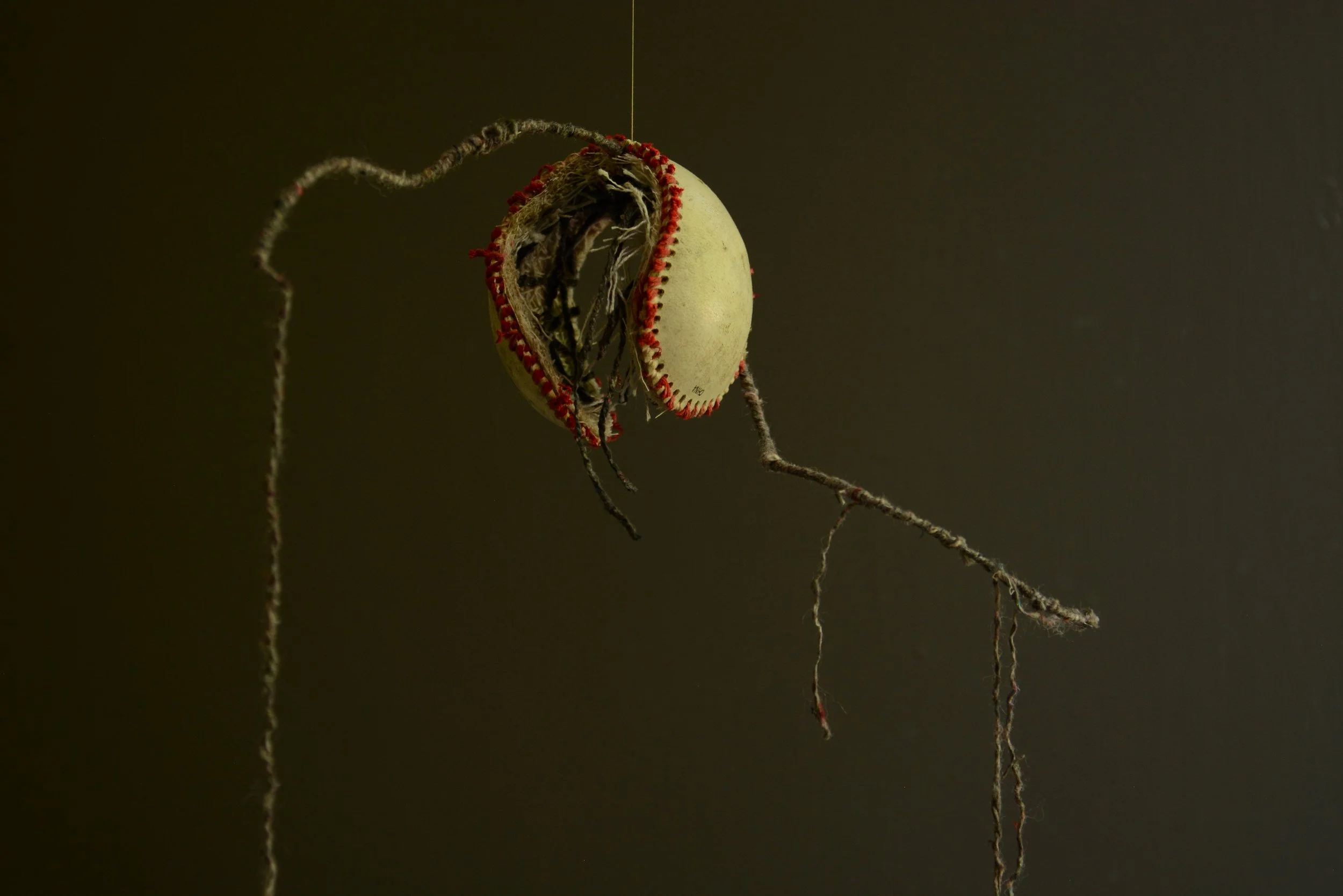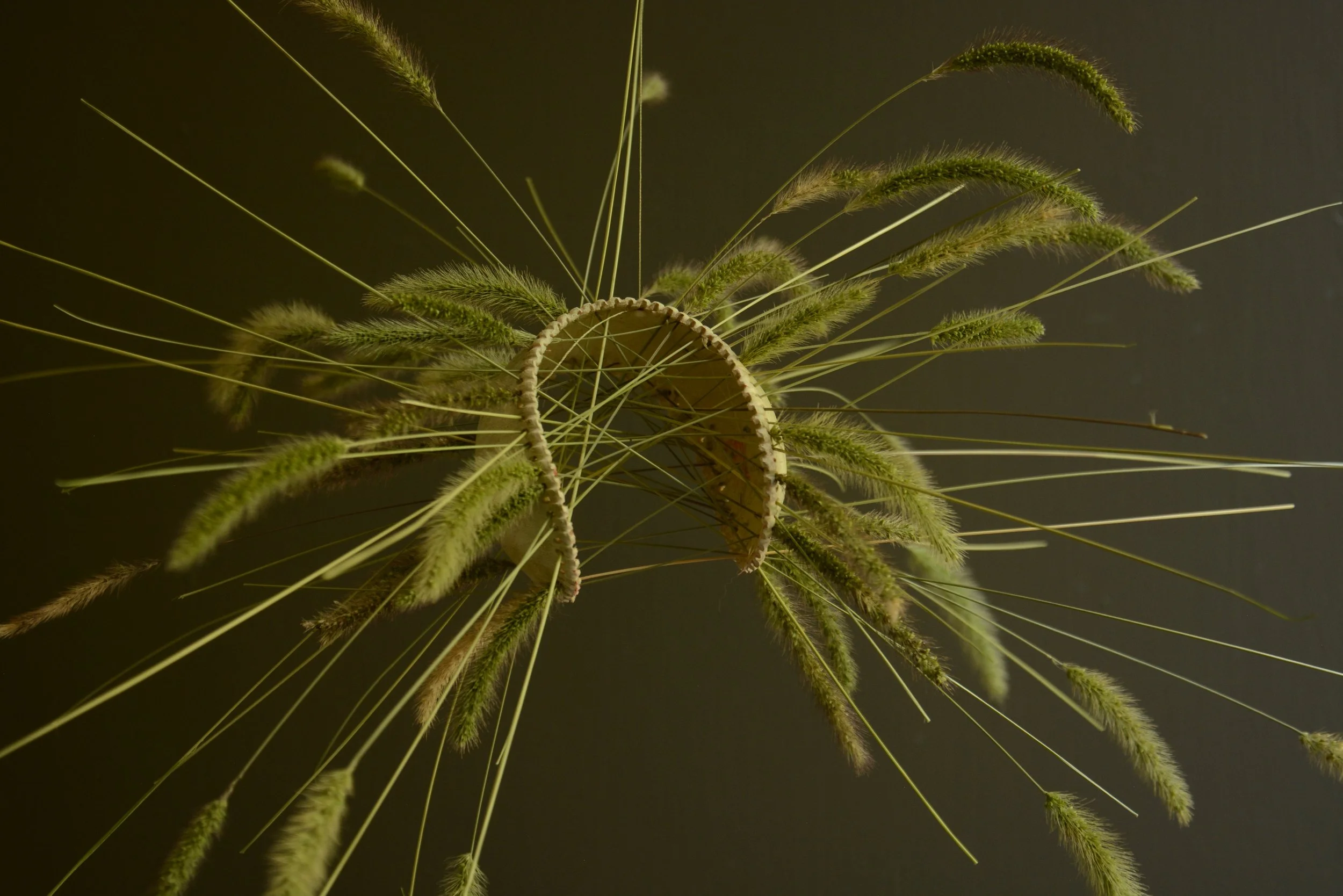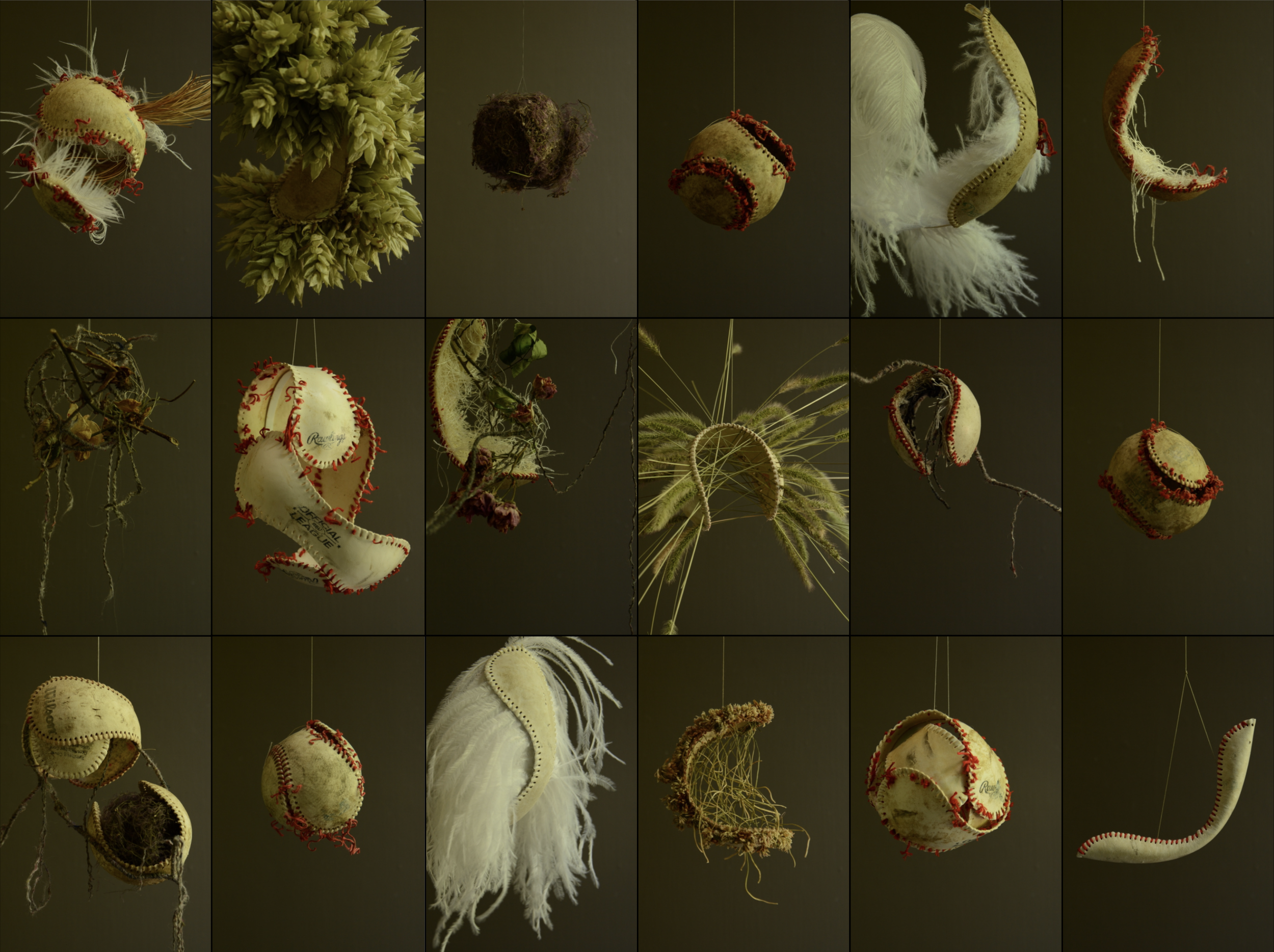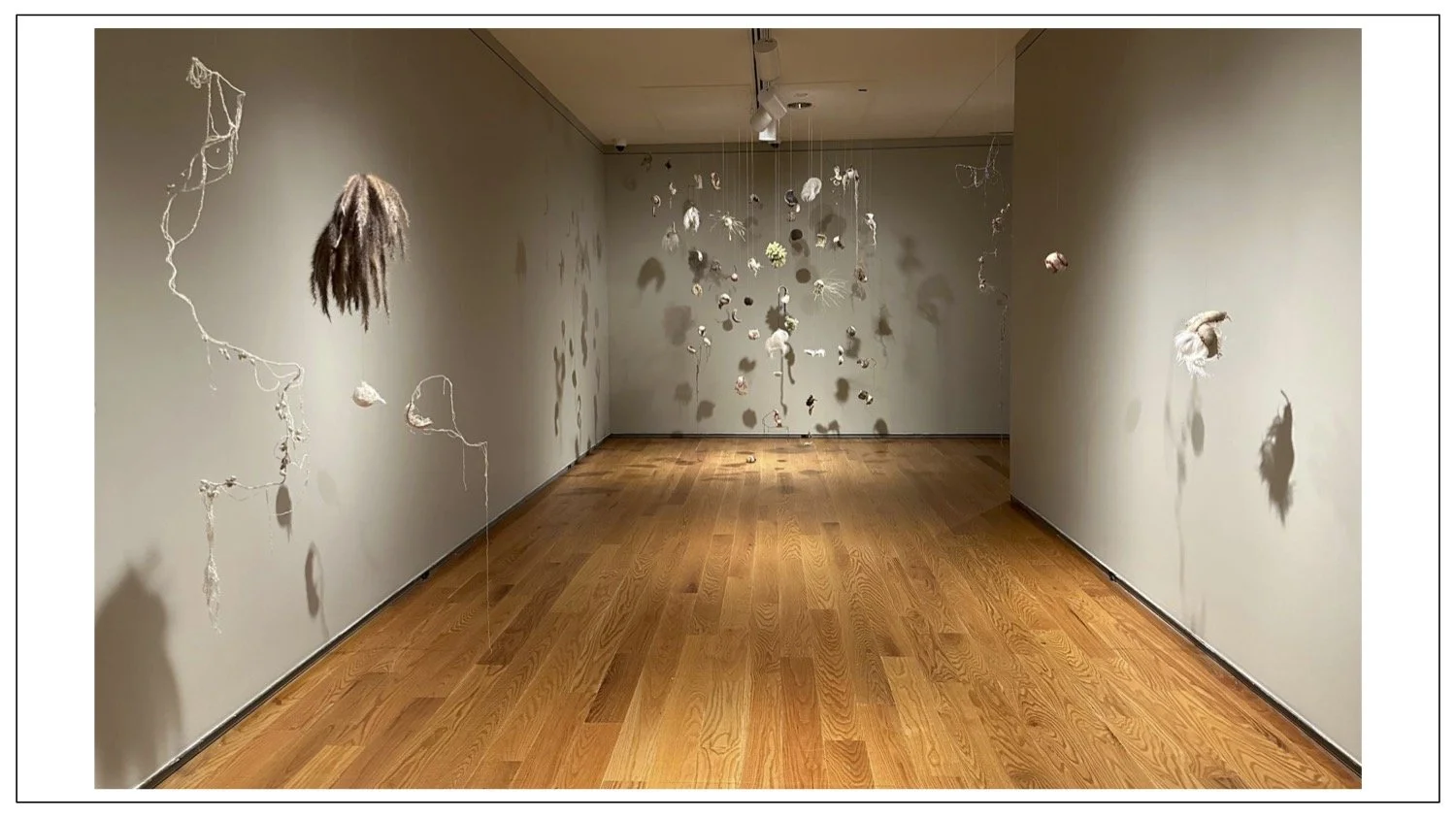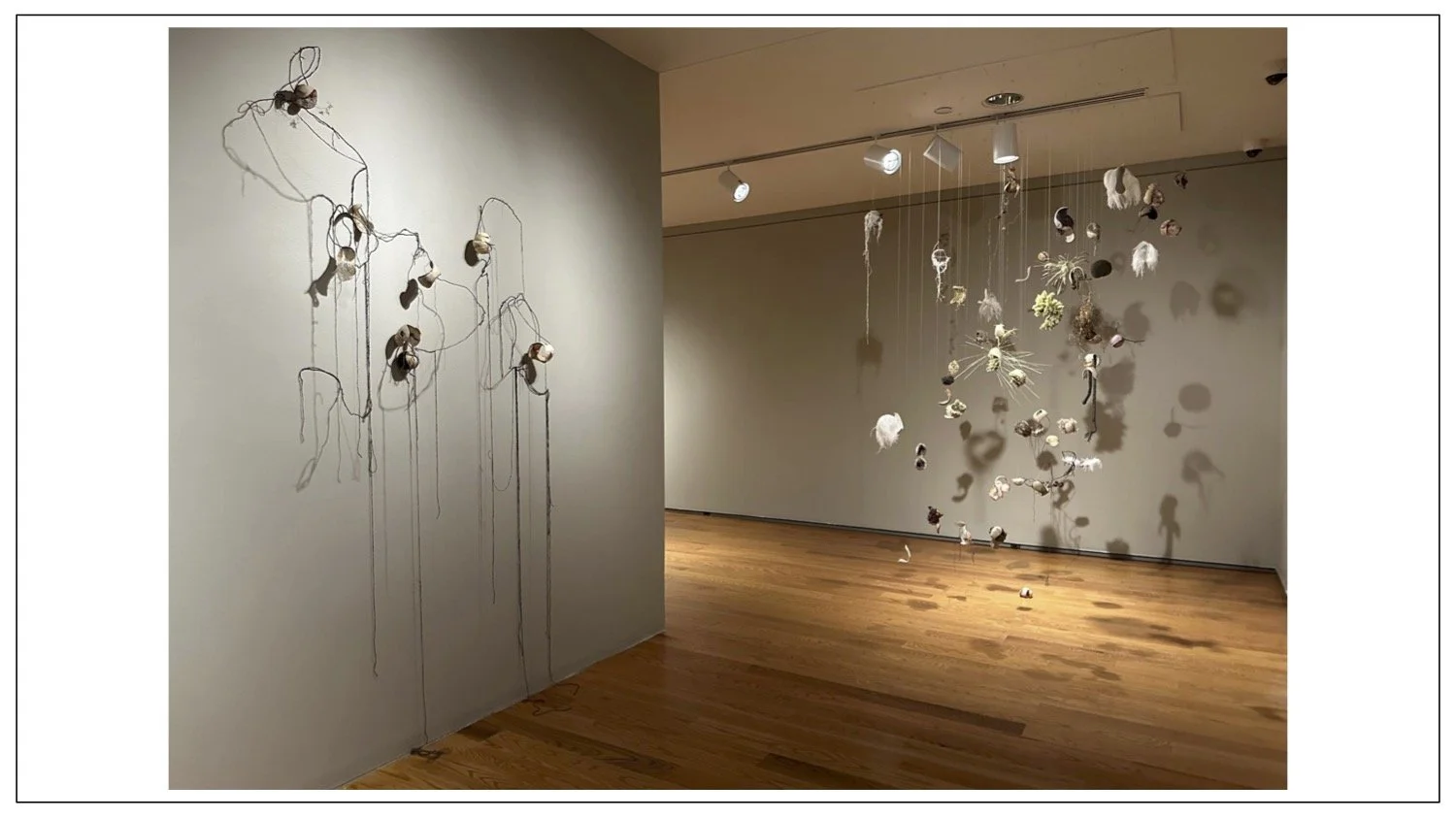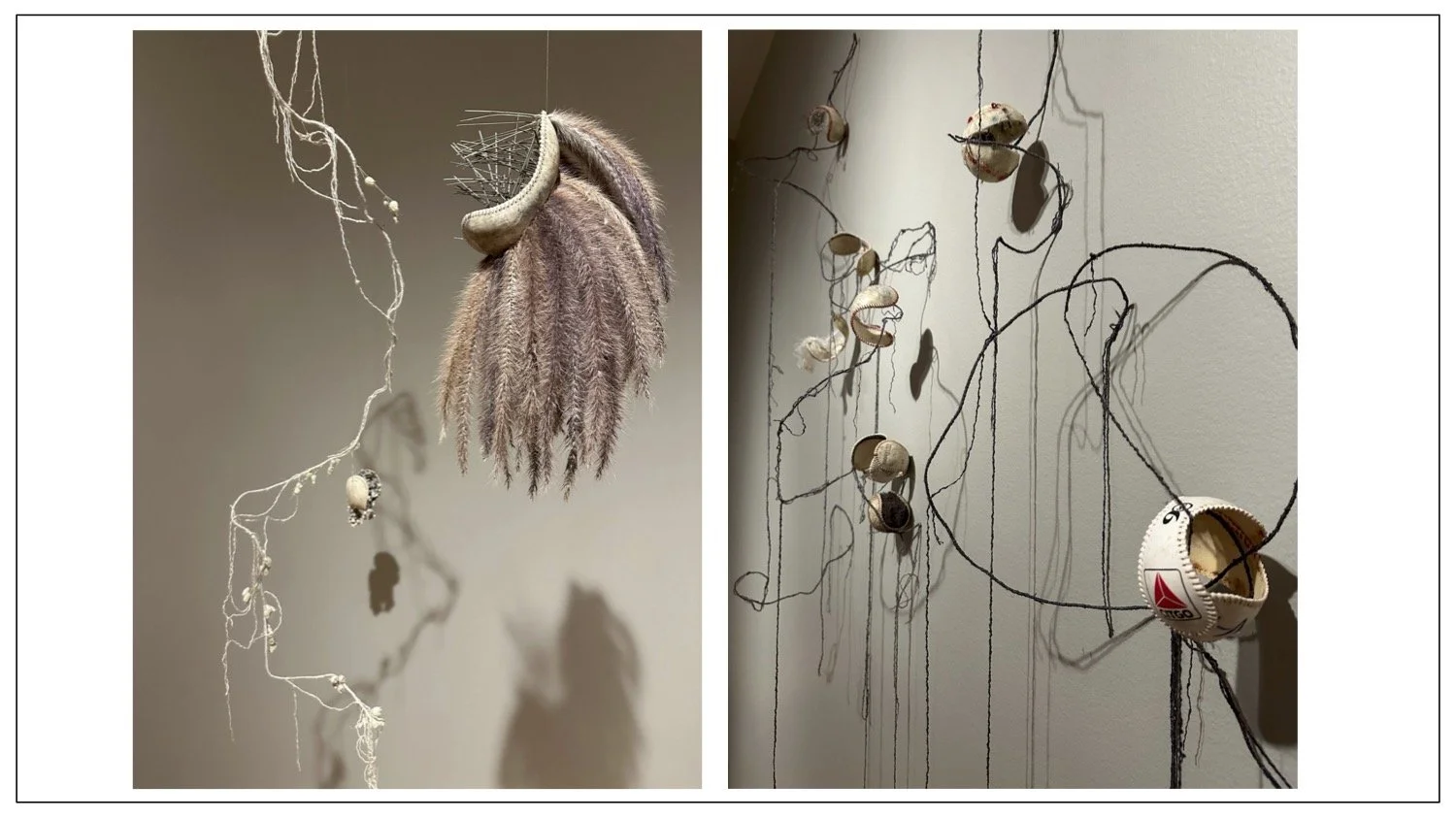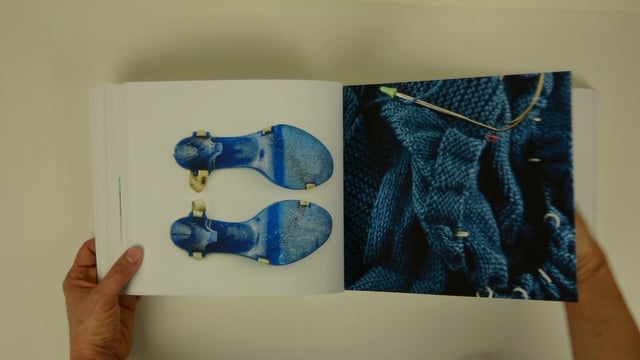
First Aid is a sculptural installation of suspended forms built from deconstructed and reconstructed baseballs. Thread, feathers, dried plant matter, and corset boning are woven into each sphere, transforming a seemingly stable object into a field of altered bodies, vessels, and embryonic architectures. The installation unsettles the histories of impact, masculinity, and national mythology embedded within the baseball itself. Tension between violence and care, strength and fragility, and the cyclical nature of unmaking and reassembly permeate the space. Rather than presenting resolution, First Aid inhabits continuous becoming.
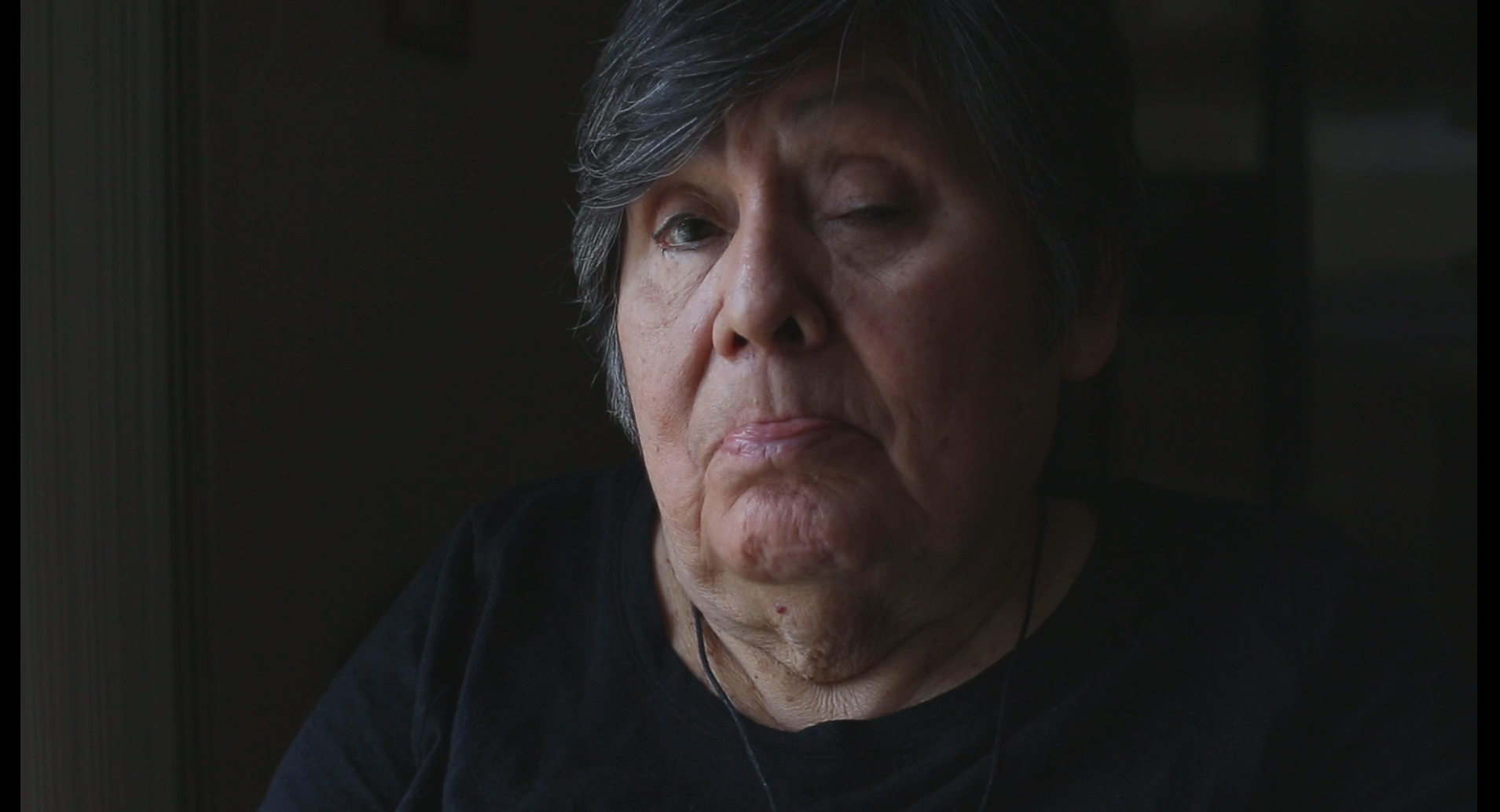
Niña En Barco (Girl in Boat) is a feature-length film centering the intimate, interdependent relationship between an aging disabled mother, Maria Gamboa, and her adult daughter, also named Maria Gamboa. Filmed within their home in Southern California, the project examines domestic space as a site continually shaped by bodies, care, and adaptation. Through close attention to gesture, objects, plants, architecture, and everyday routines, the film traces how material environments both shape and are reshaped by lived experience.
The title also refers to a colloquial name for a resilient, fast-rooting plant associated with diasporic endurance. Portions of Niña En Barco have been exhibited as a two-channel installation at Harvard University, and an accompanying artist book is in development. Produced with support from the Harvard Film Study Center, the project approaches disability, domesticity, migration, and womanhood through an embodied sculptural language of space, material, and relation.
That Mighty Sculptor is a mythic, miniature world built and filmed at a time when my physical mobility was sharply limited by illness. Working within a self-constructed micro-environment, the camera navigates a fragmented landscape of fingers, bronze castings, soil, water, mist, and sound. The image falters, tightens, and releases as it attempts to travel through thresholds of scale and perception.
The work reimagines the story of Icarus—flight, fall, and renewal—through the lens of bodily restriction and adaptive making. It reflects on the body as both architecture and limit, a site of tension between dissociation and emergence. The title references Marguerite Yourcenar’s That Mighty Sculptor Time, invoking material erosion, transformation, and the forms that appear through collapse.
Beloved Citizen proposes a living memorial for Boston Common that acknowledges the site’s layered and conflicted histories. Centered on the former location of the Great Elm—a tree used for public hangings whose victims were buried beneath it in unmarked graves—the project confronts the contradictions embedded in a landscape celebrated as a symbol of freedom in the country’s first public garden.
Rather than producing a fixed monument, the proposal centers on an ongoing act of transplantation. An Elm sapling planted at the historic site would be ritually uprooted and replaced each year, while the removed tree would be entrusted to an individual or community to replant and care for elsewhere. Commemoration becomes a continuous social and ecological process in which memory is carried forward through repeated acts of care, movement, and renewal.
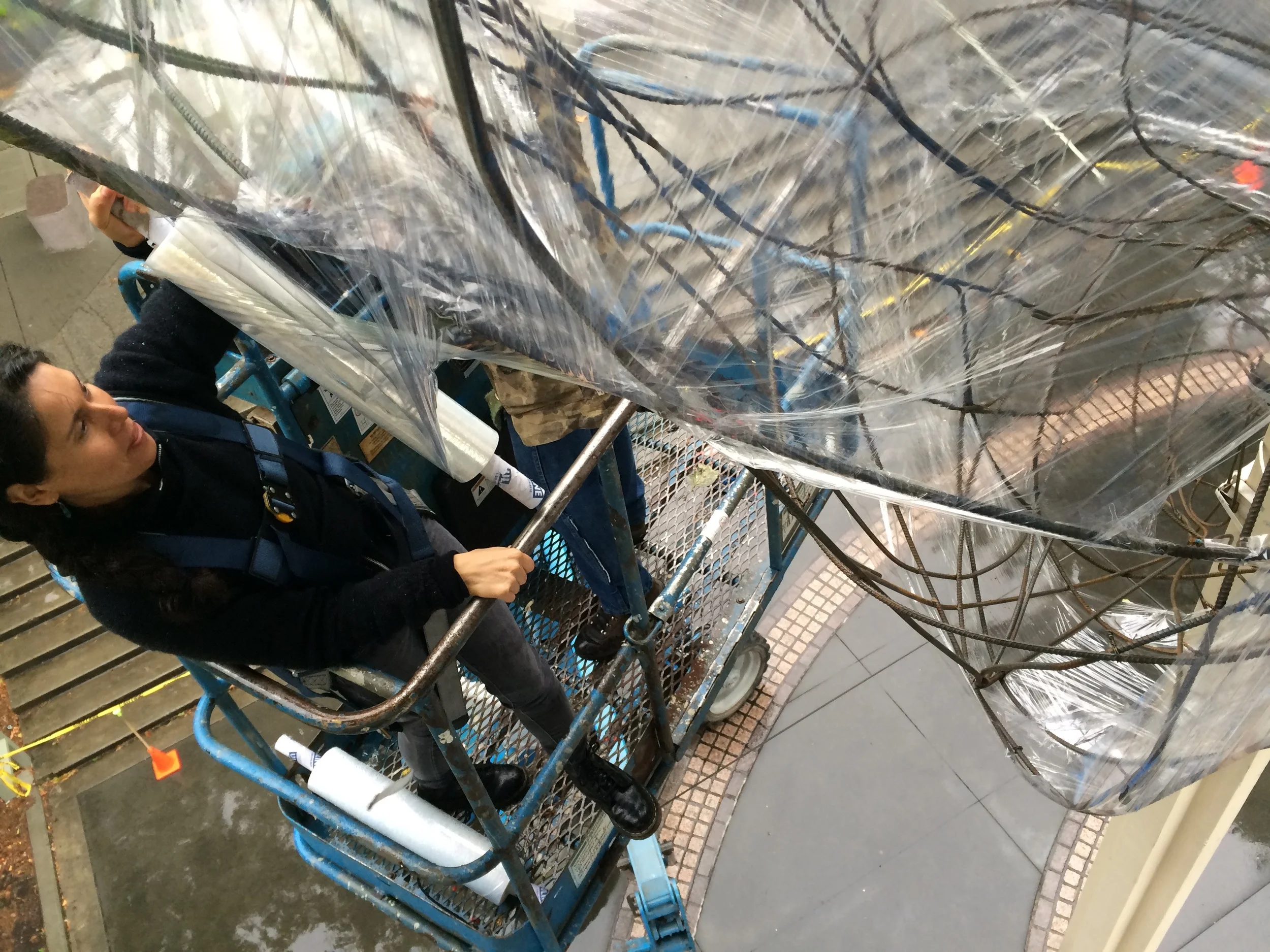
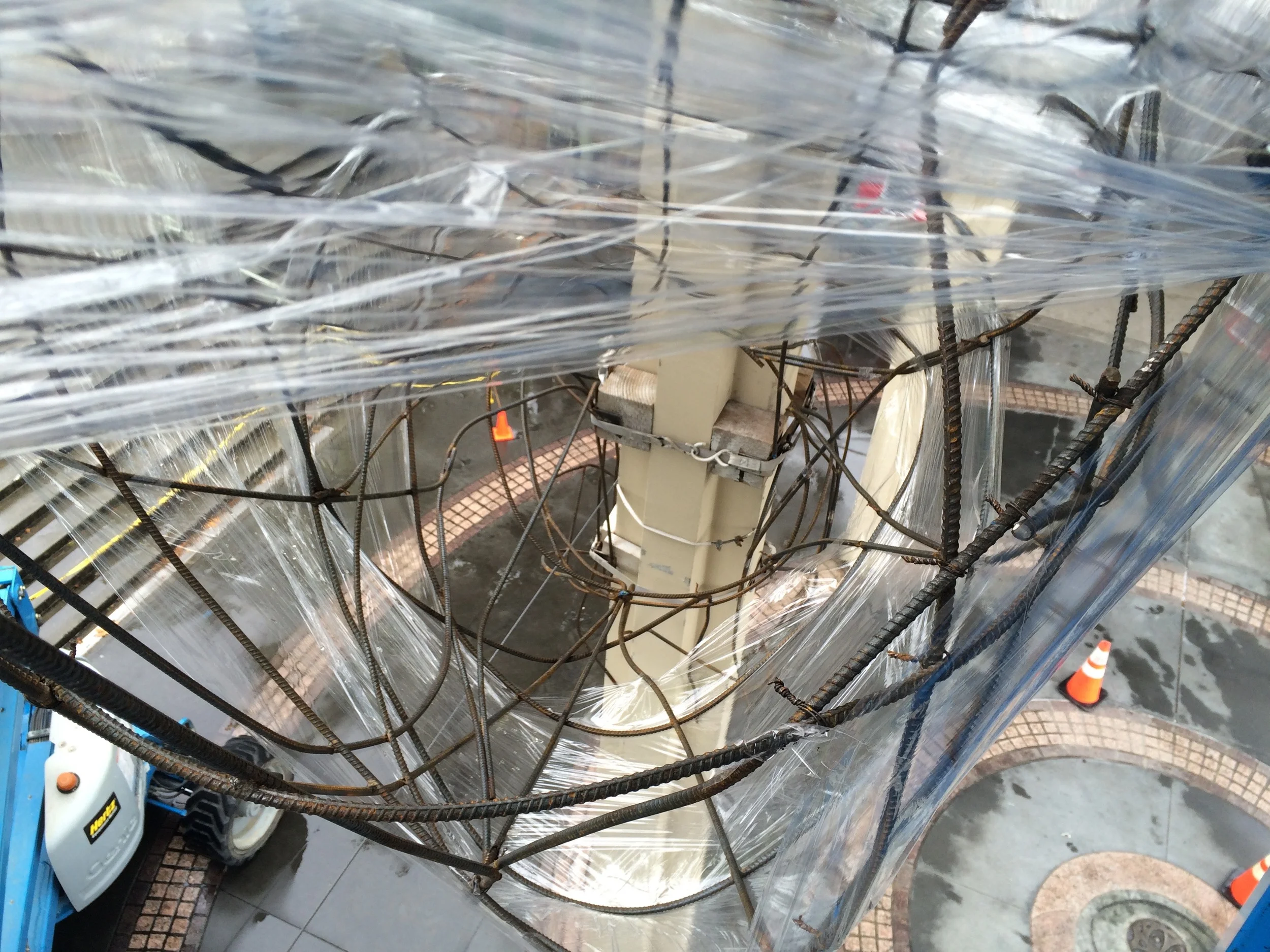
Installed over two existing architectural columns at Seattle Center, Column Forms creates elongated, cocoon-like structures that alter the rhythm of a public passageway. Constructed from rebar, wire, and plastic wrap, the work translates gestural drawings into architectural scale, carrying the energy of line, tension, and accumulation into three-dimensional form. By wrapping and reshaping existing support structures, the installation reorients the body’s movement through space while foregrounding the vulnerability embedded within forms typically perceived as stable and neutral. The project explores how drawing, construction, and sculpture continually inform one another through shifts in material and scale.
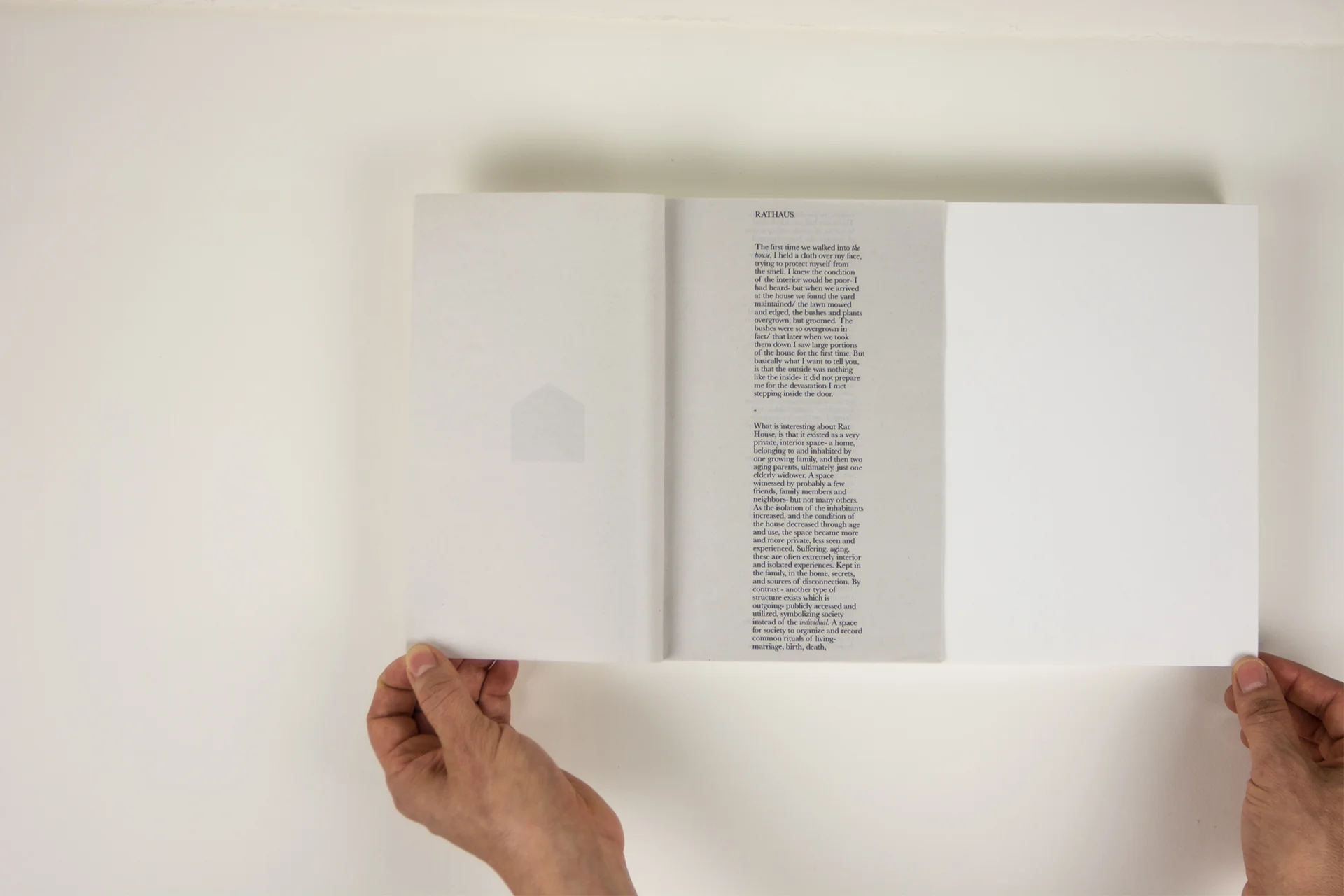
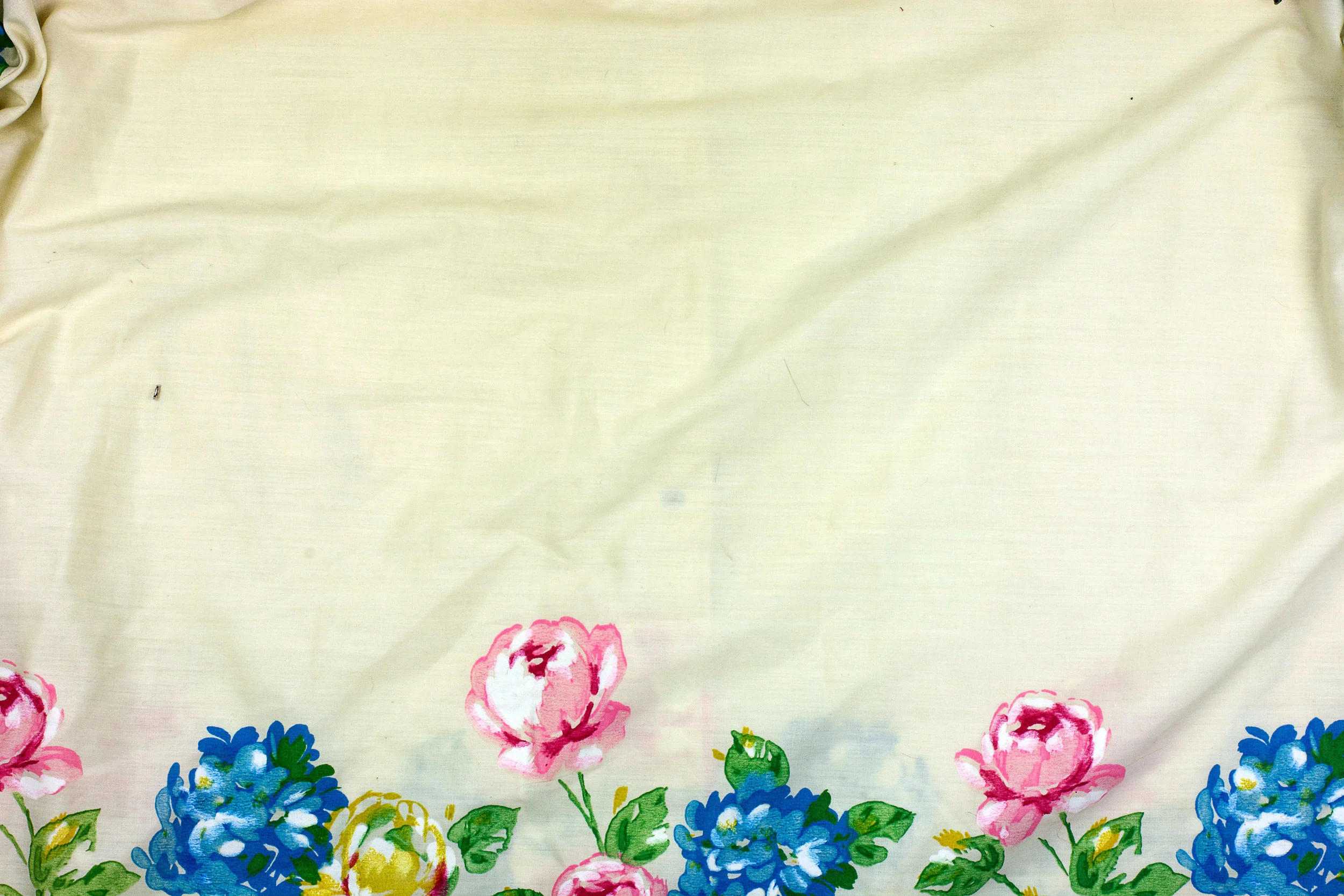
Rathaus is a large-scale fabric sculpture constructed from clothing accumulated in a single family home over fifty years. Shaped into a chromatic, bodily mass, the work indexes the cycles of growth, aging, and domestic labor embedded in garments that once held specific lives. A companion artist book presents life-sized portraits of individual objects arranged texturally and chromatically.
The installation foregrounds clothing and personal objects as vessels of use, intimacy, and absence. Detached from the bodies that once animated them, the forms hold traces of personal and social histories, revealing the tensions emitted by objects whose purpose has shifted or disappeared.
Window Study alters the function and perception of a gallery window by inserting a geometric styrofoam form that consolidates the view into a single point of focus. Through a door viewer embedded in the structure, audiences encounter a narrowed visual corridor directed toward rapid development in Seattle’s Capitol Hill neighborhood, historically home to queer communities and artists.
The work transforms the window from a transparent plane into a device of framing, attention, and critique—utilizing the materials of new construction (namely white textured drywall board) to shift the viewer’s bodily relation to both neighborhood and site.
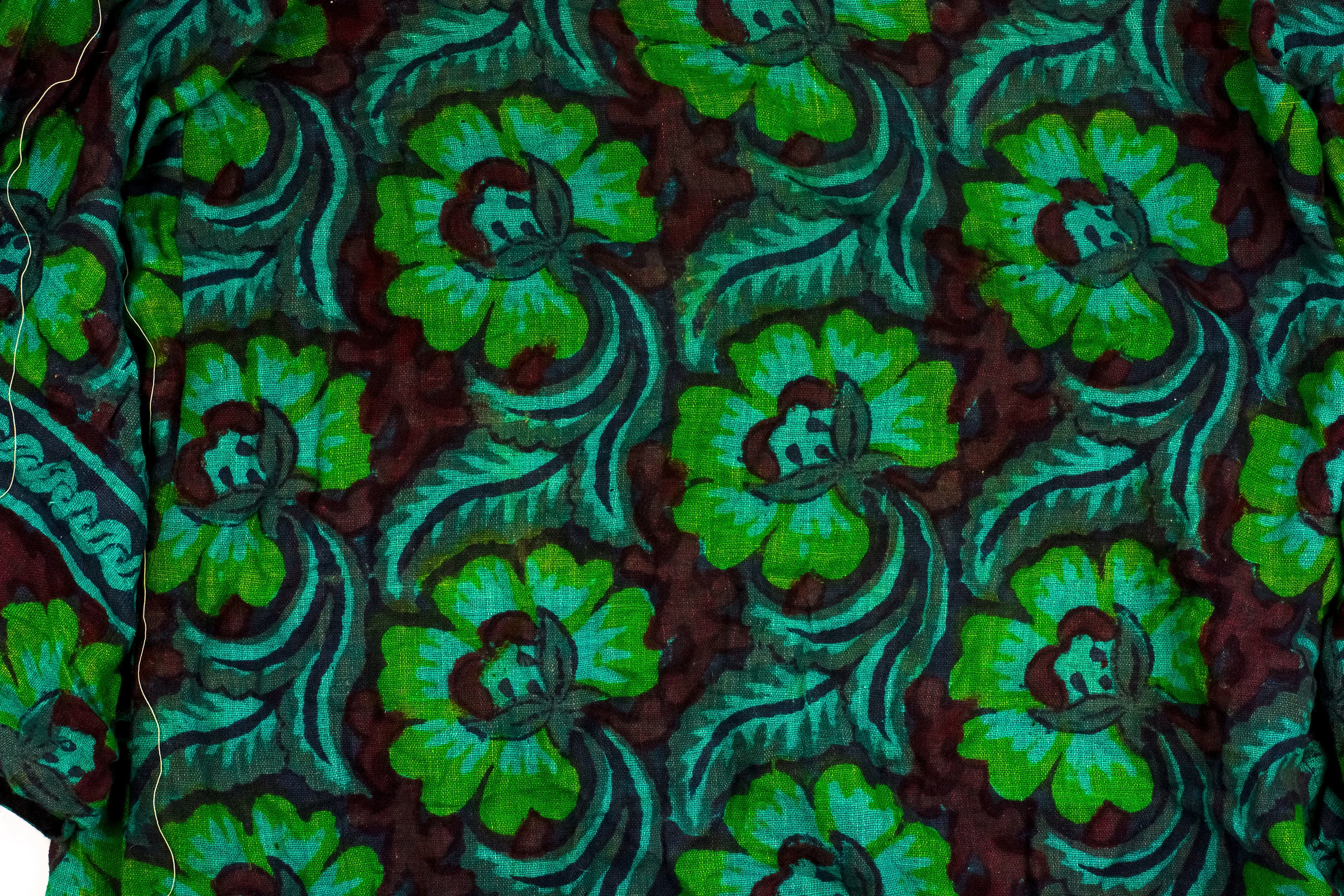
Flat is a photographic series examining garments as records of bodies that are no longer present. Removed from their wearers and presented front and back against a neutral ground, the clothing becomes both surface and volume—holding traces of movement, care, growth, wear, and time.
The photographs attend to fabric as a material that remembers the body while refusing to fully represent it. Transparent textiles, stretched seams, stains, and patterns become quiet indexes of lived experience, allowing absence to register as a material presence rather than a lack.
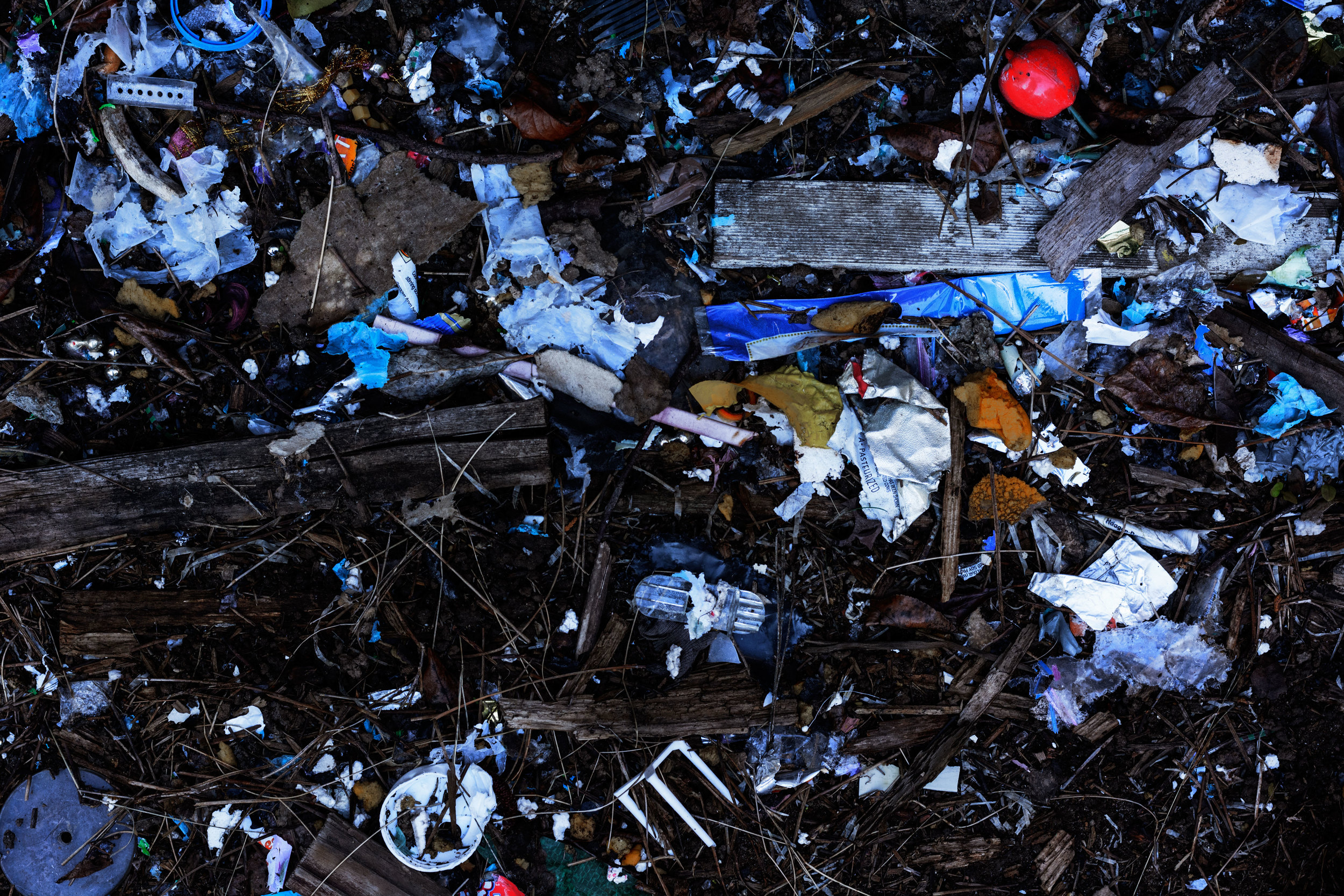
Falling Upward documents the ground surrounding a neglected home after a long period of abandonment and accumulation. Once the site was cleared, the flattened earth revealed compressed layers of leaves, household debris, and organic matter that read simultaneously as archaeological record and altered landscape.
Grounded in a specific place, the photographs attend to the material traces left by habitation, neglect, weather, and time. They consider how ordinary environments accumulate histories through repeated use and transformation, allowing domestic space to register larger ecological and social pressures.
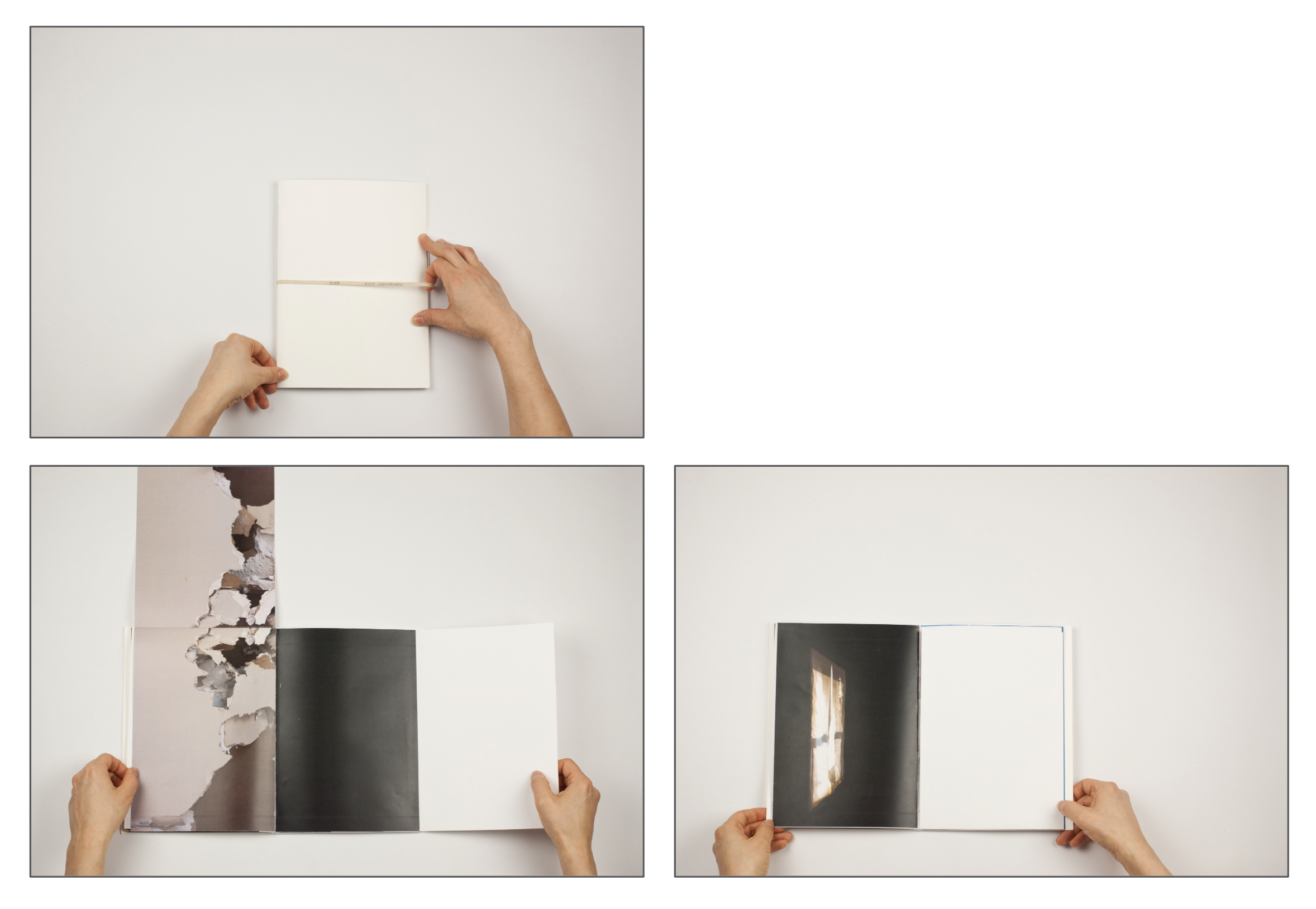
332 is an artist book composed of photographs documenting the gradual transformation of a domestic interior during renovation. Paint, plastic sheeting, tape, dust, and construction materials temporarily reorganize familiar architectural space into shifting abstract landscapes. Rather than treating renovation as a passage toward completion, the work attends to the provisional material conditions that emerge during processes of change.
The project has also been exhibited as a photographic installation.
Sequenced within the book, the photographs become a spatial experience rather than a series of individual images. The unfolding structure invites the viewer to move through an environment continually suspended between inhabitation and construction, considering how ordinary spaces carry traces of use, labor, and transformation.
Writing House is an ongoing photographic archive of handwritten inscriptions found inside abandoned and occupied homes. Messages left on walls by residents, visitors, workers, and children accumulate as a collective record of memory, conflict, humor, desire, and everyday life.
The project considers architecture as a surface that receives and preserves human presence. Rather than treating these markings as vandalism or decoration, the photographs attend to them as traces of occupation that reveal how domestic space becomes shaped by language, time, and repeated acts of living.
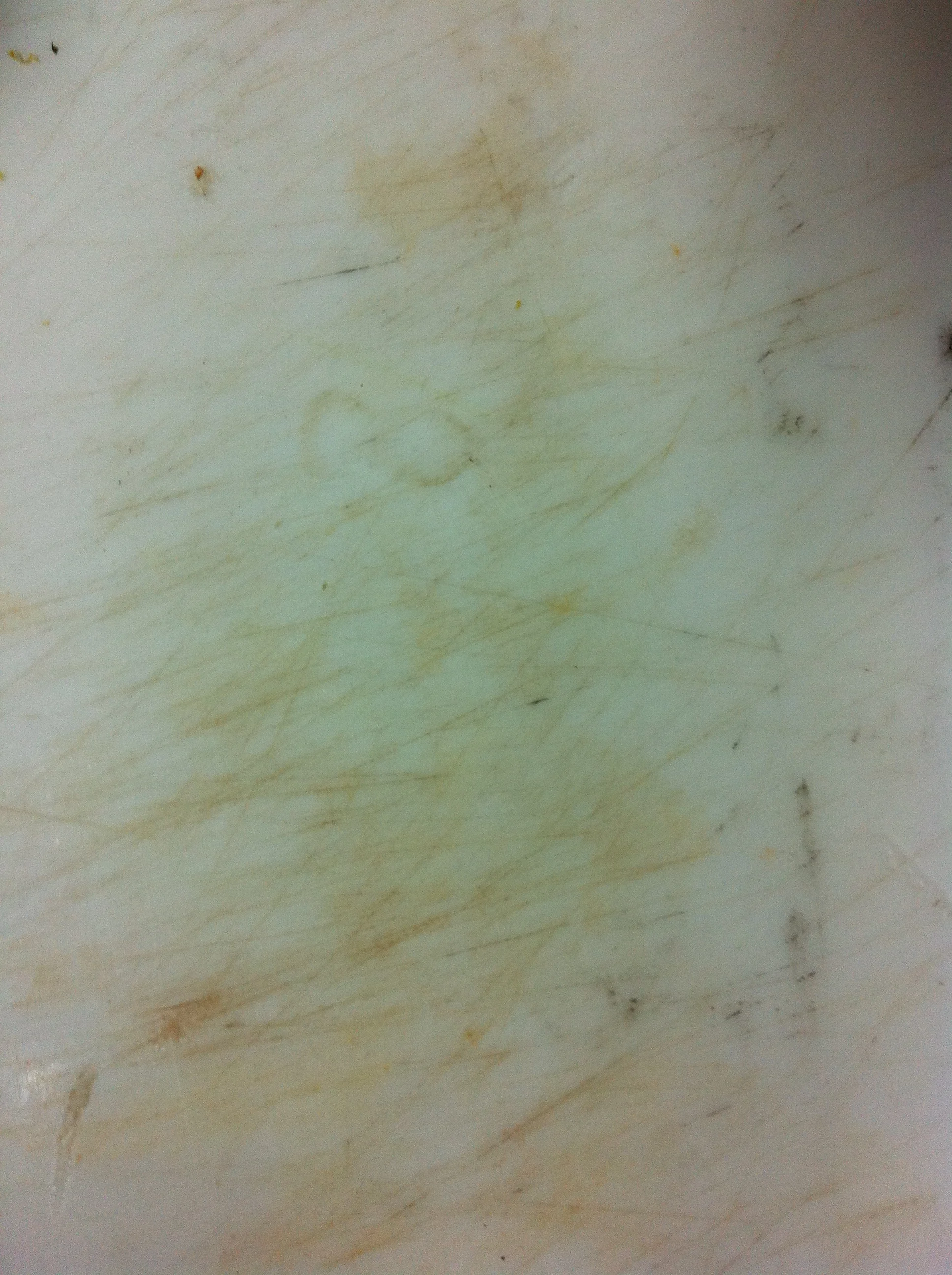
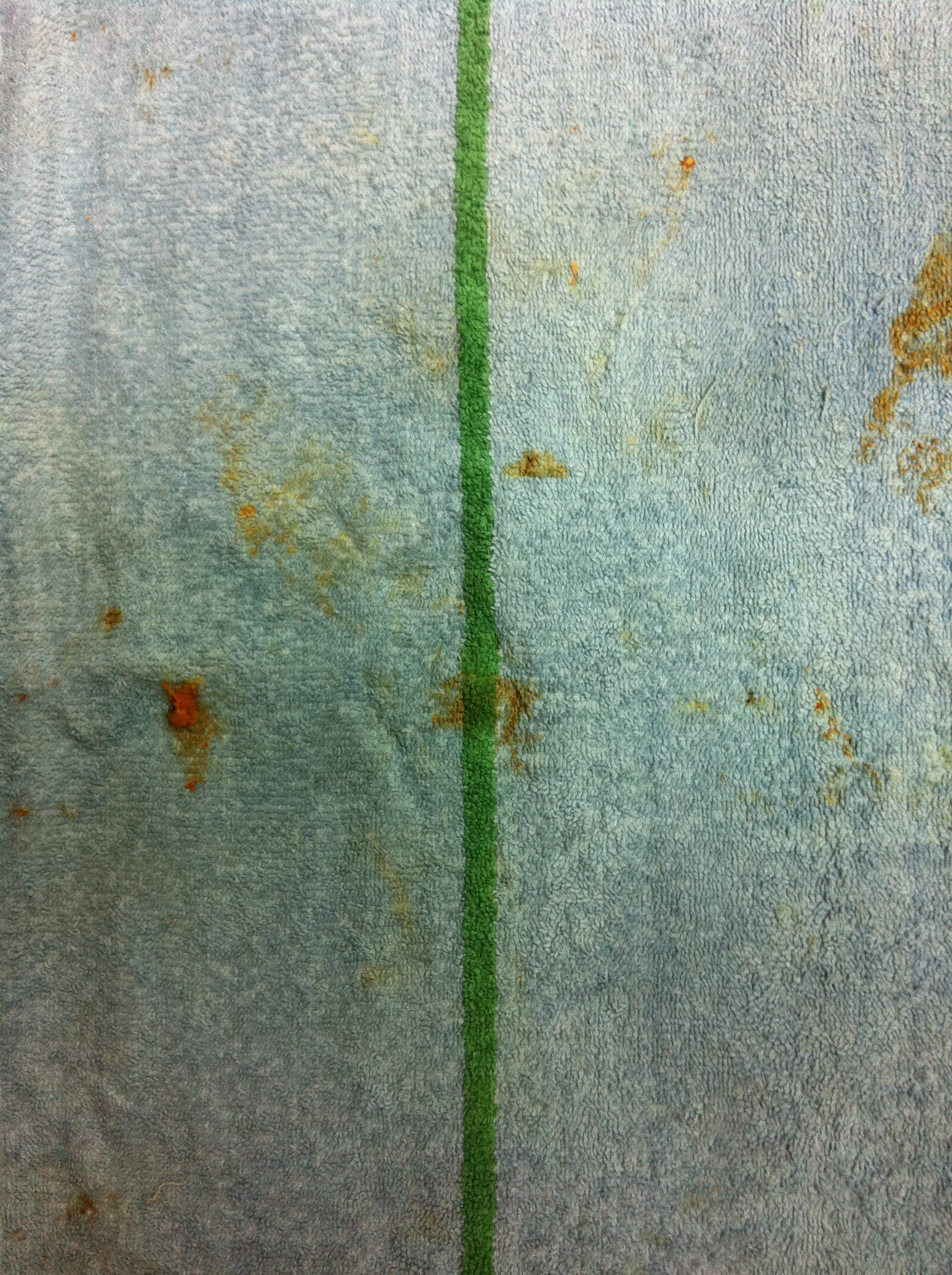
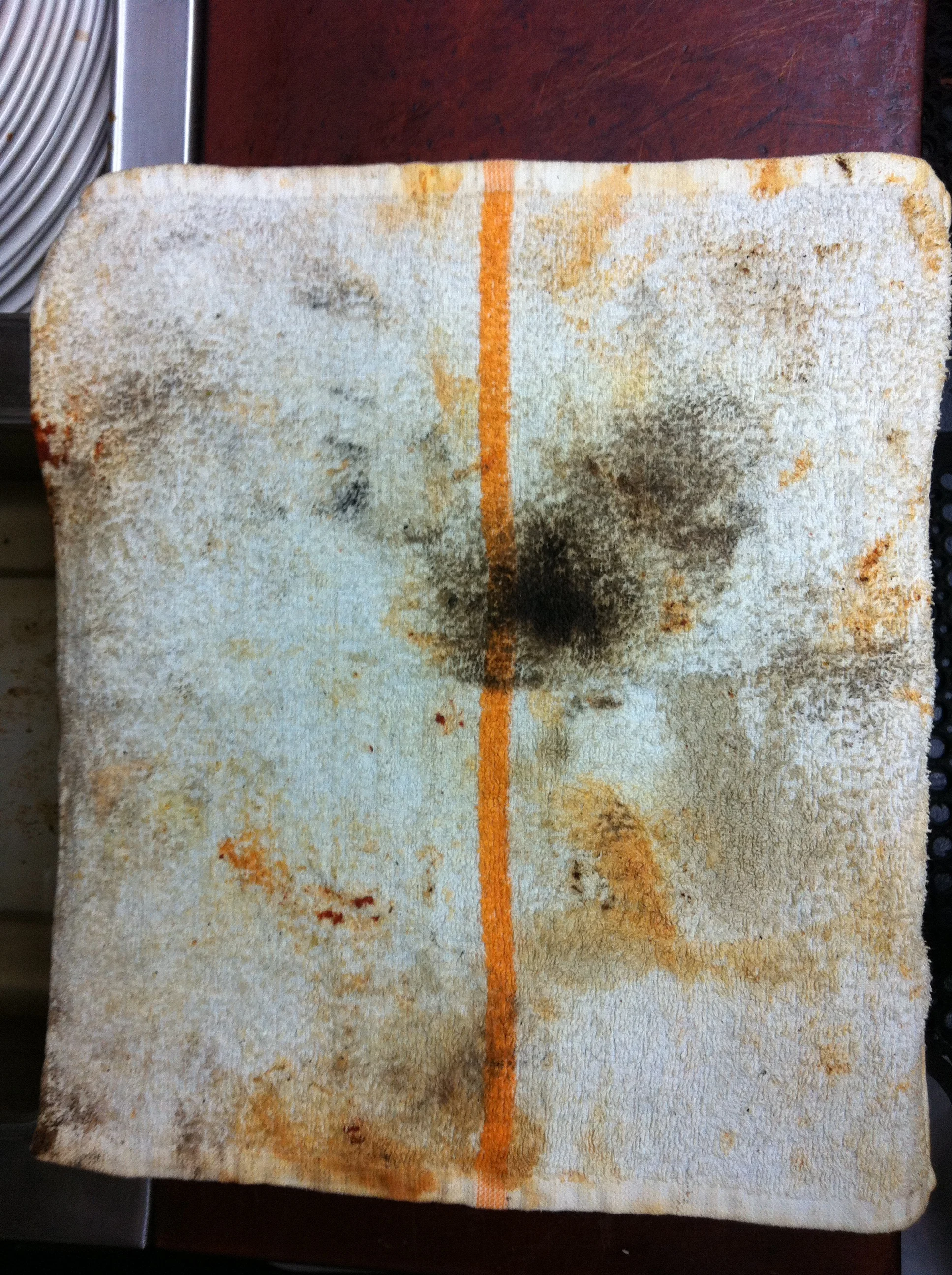
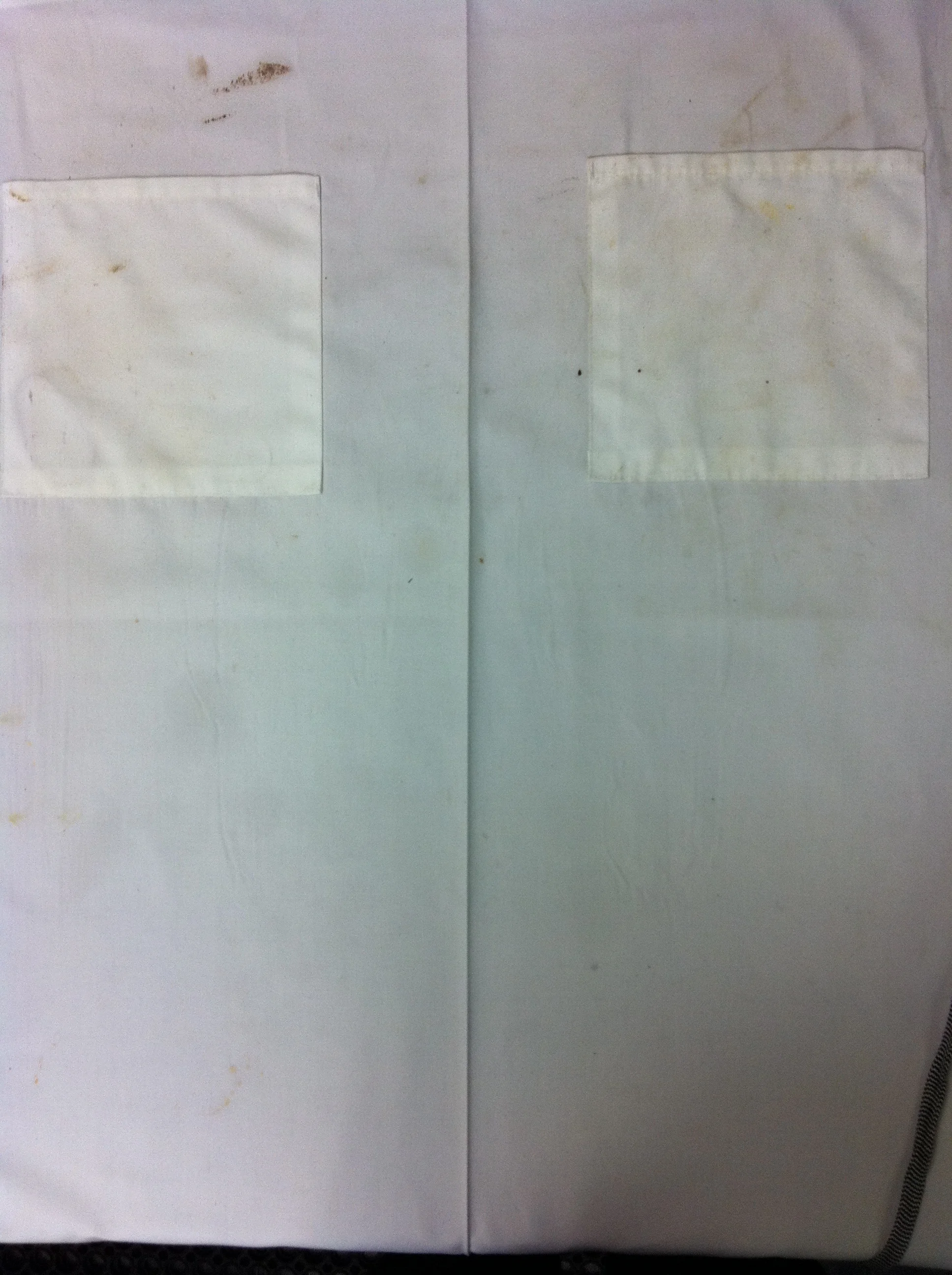
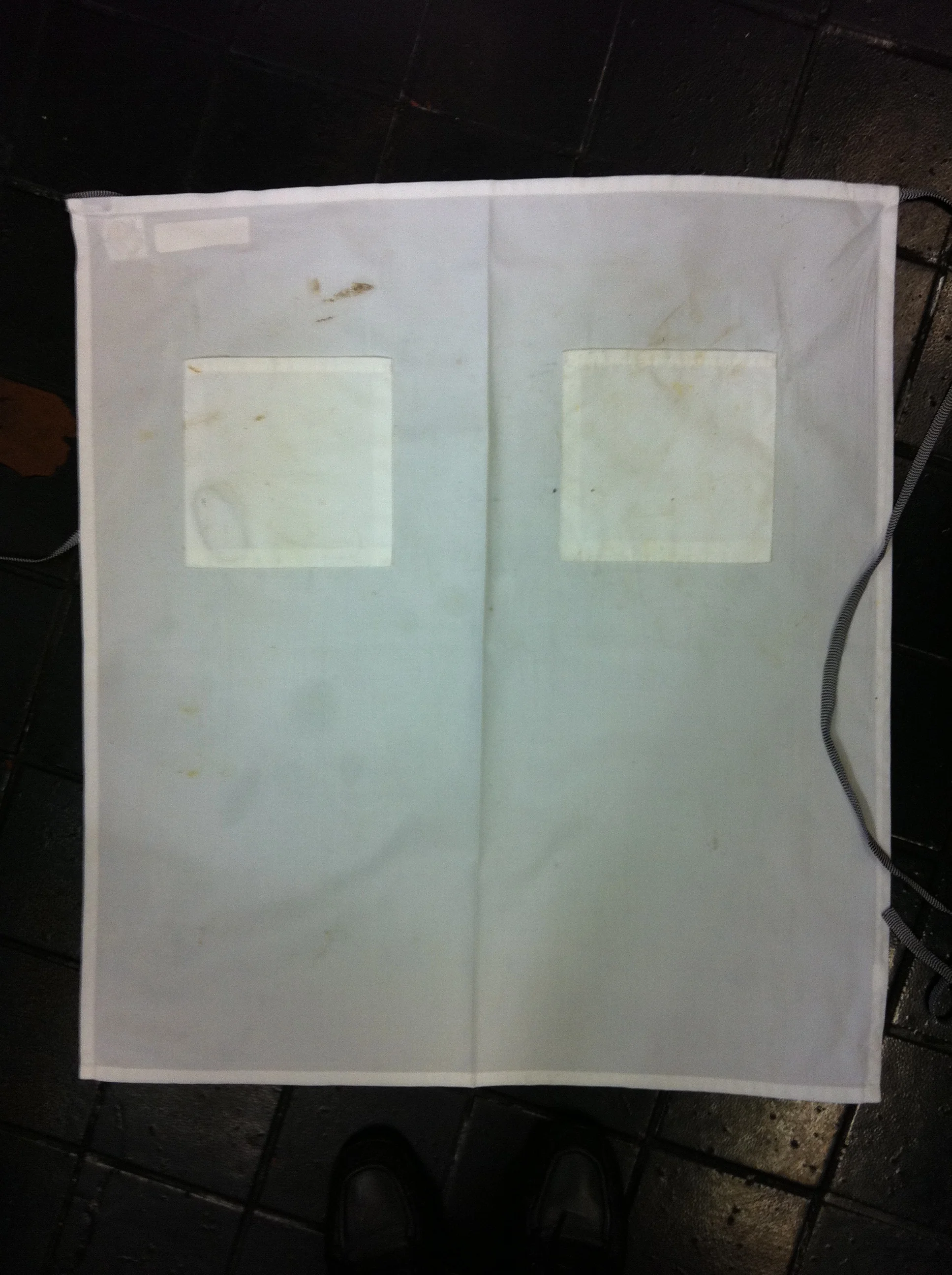
Cooking Drawings is a series produced during my work in restaurant kitchens, using food, tools, and gestures from each shift as a drawing apparatus. Marks were made through cutting, dripping, slicing, stirring, and other task-based actions, recording the labor of a night’s work. Additional pieces capture the dense networks of lines that accumulate on kitchen surfaces—cutting boards, towels, and rags used for everything from wiping counters to lifting scalding pans.
The series reflects an enduring interest in the traces of action and labor, the material afterlives of everyday environments, and the poetics of surface tension. These works link domestic and professional forms of care, revealing how marks made in the process of sustaining life become a vocabulary of presence and time.
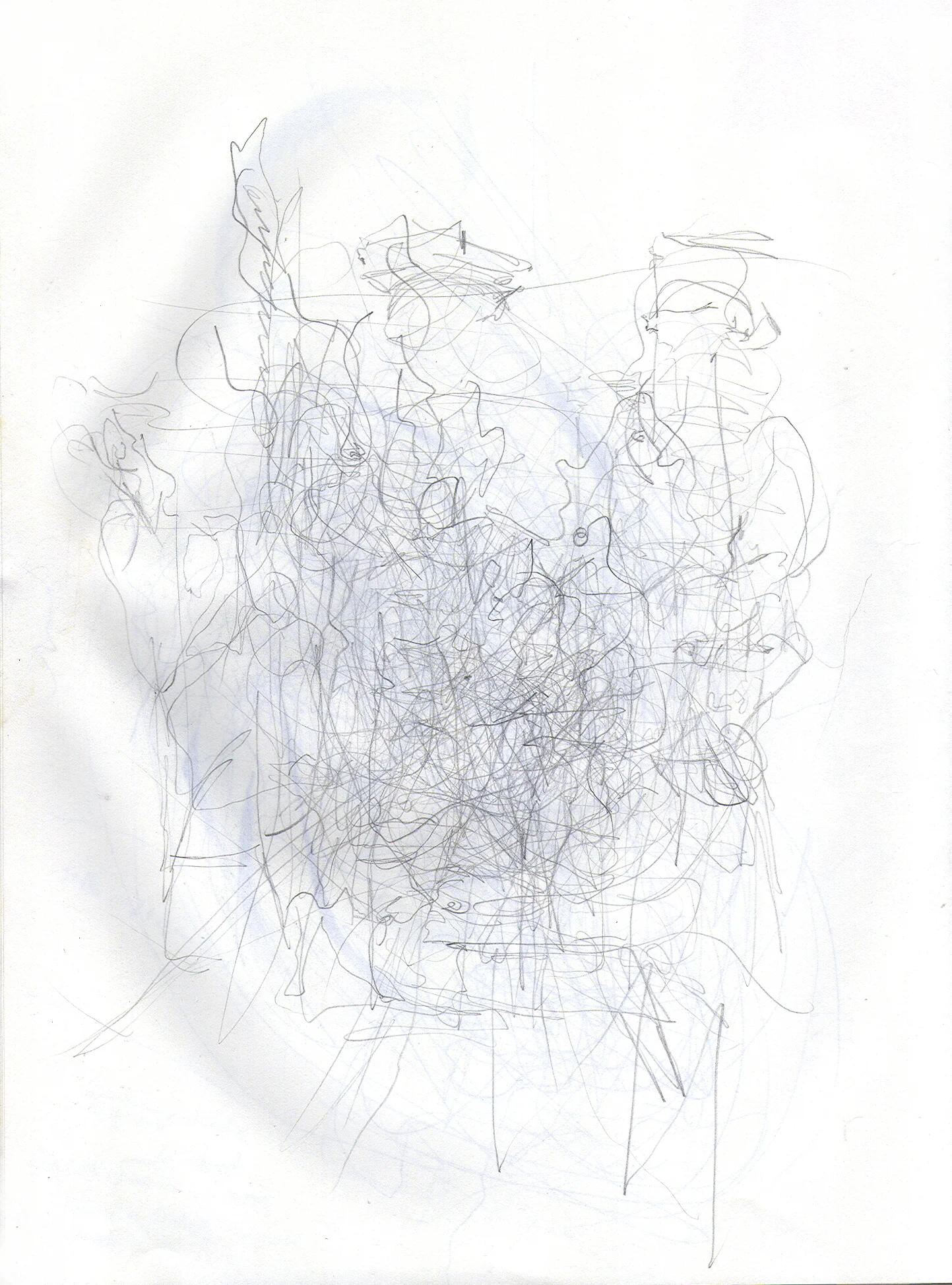
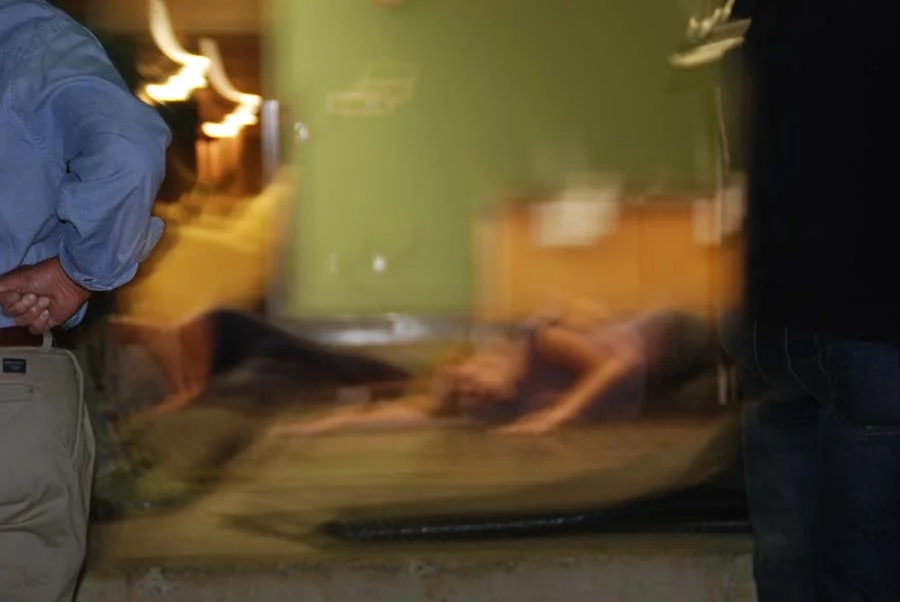
Dance Drawings is a series of several hundred blind drawings produced during dance performances and rehearsals over a period of several years. Made without looking at the page, the drawings register movement through continuous line, translating gesture, rhythm, duration, and spatial relationships into accumulated marks.
Rather than documenting choreography, the works emerge through embodied attention, allowing drawing to function as a parallel act of performance. The series explores how movement can be carried across materials, preserving traces of bodily experience through the simple action of the hand.
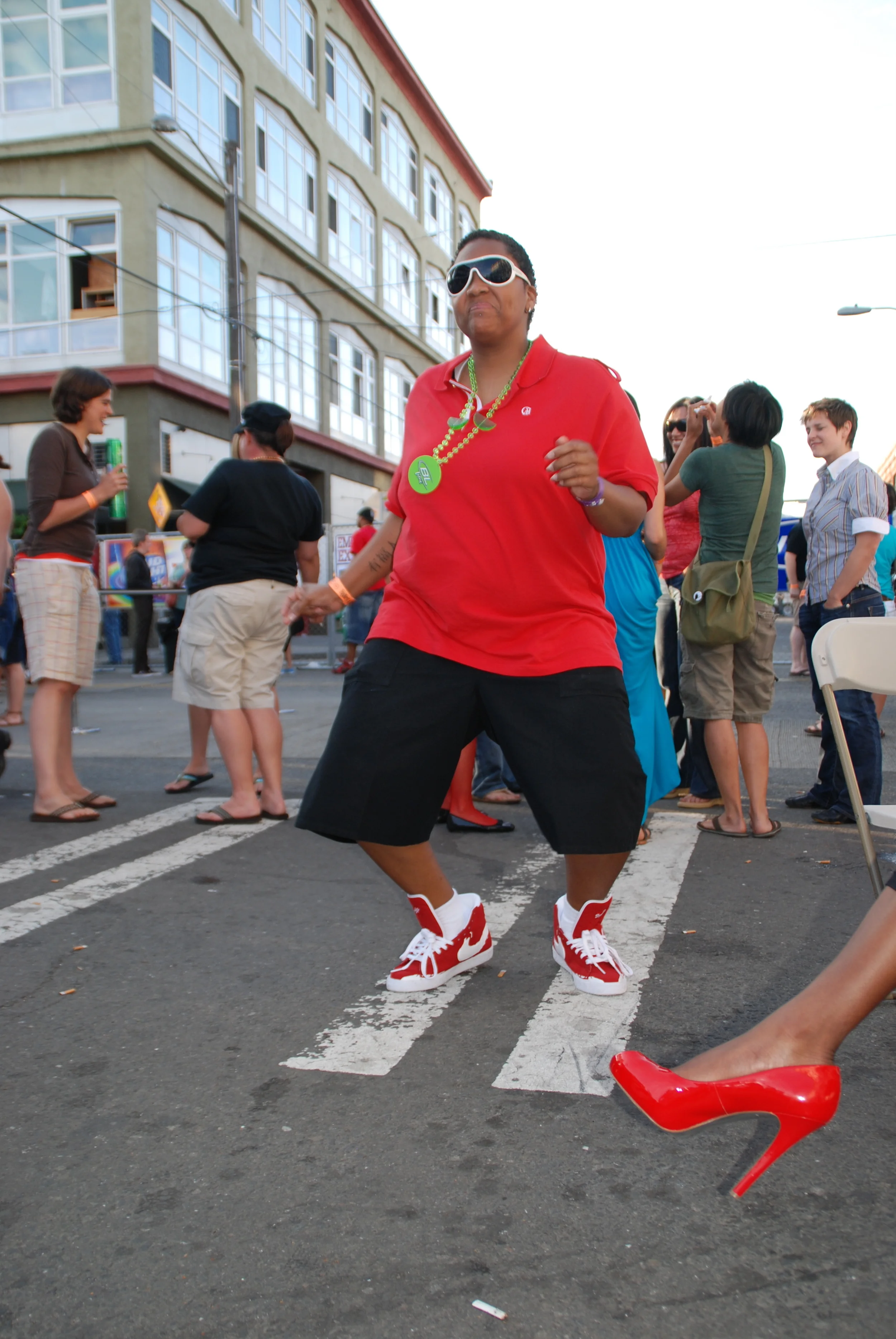
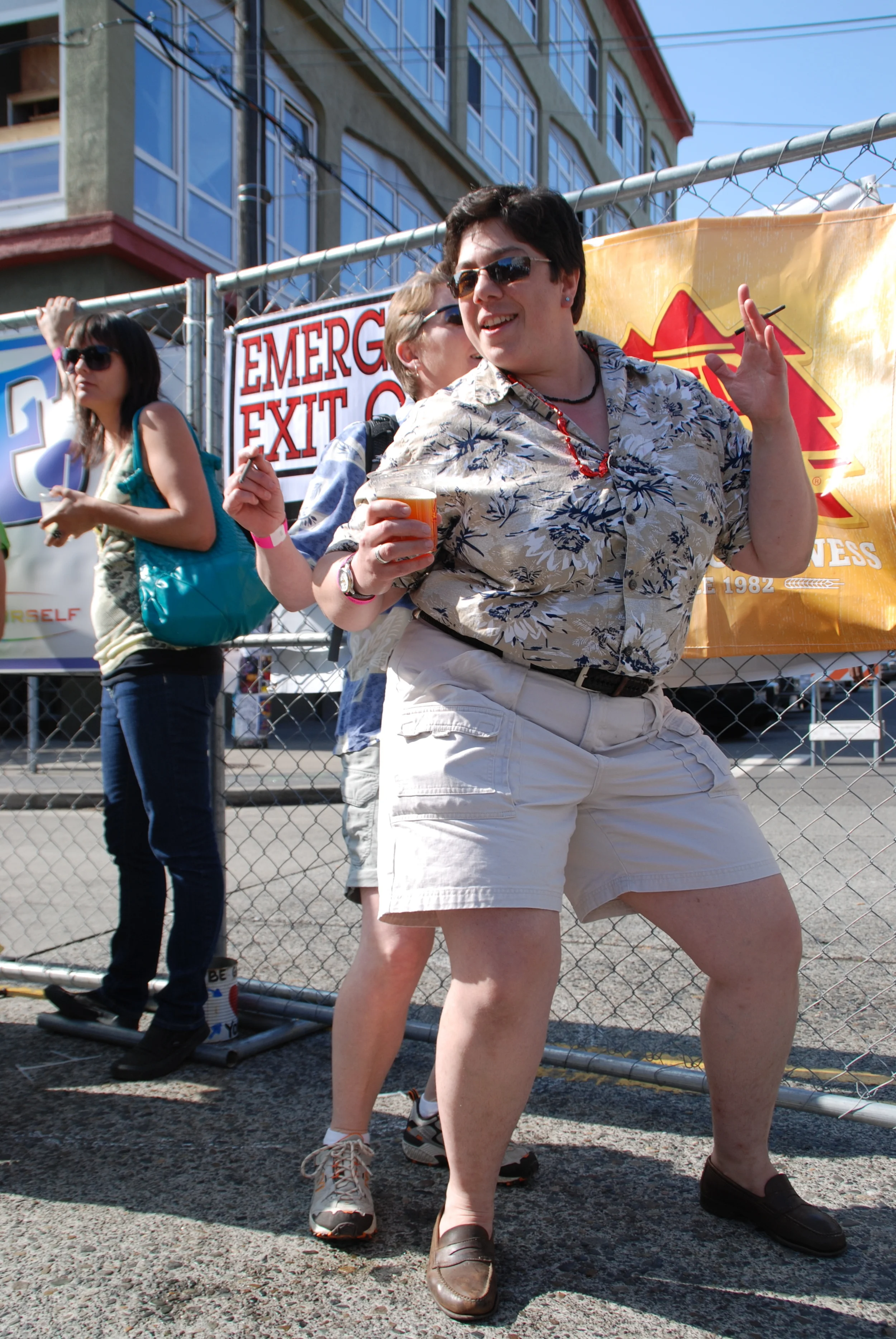
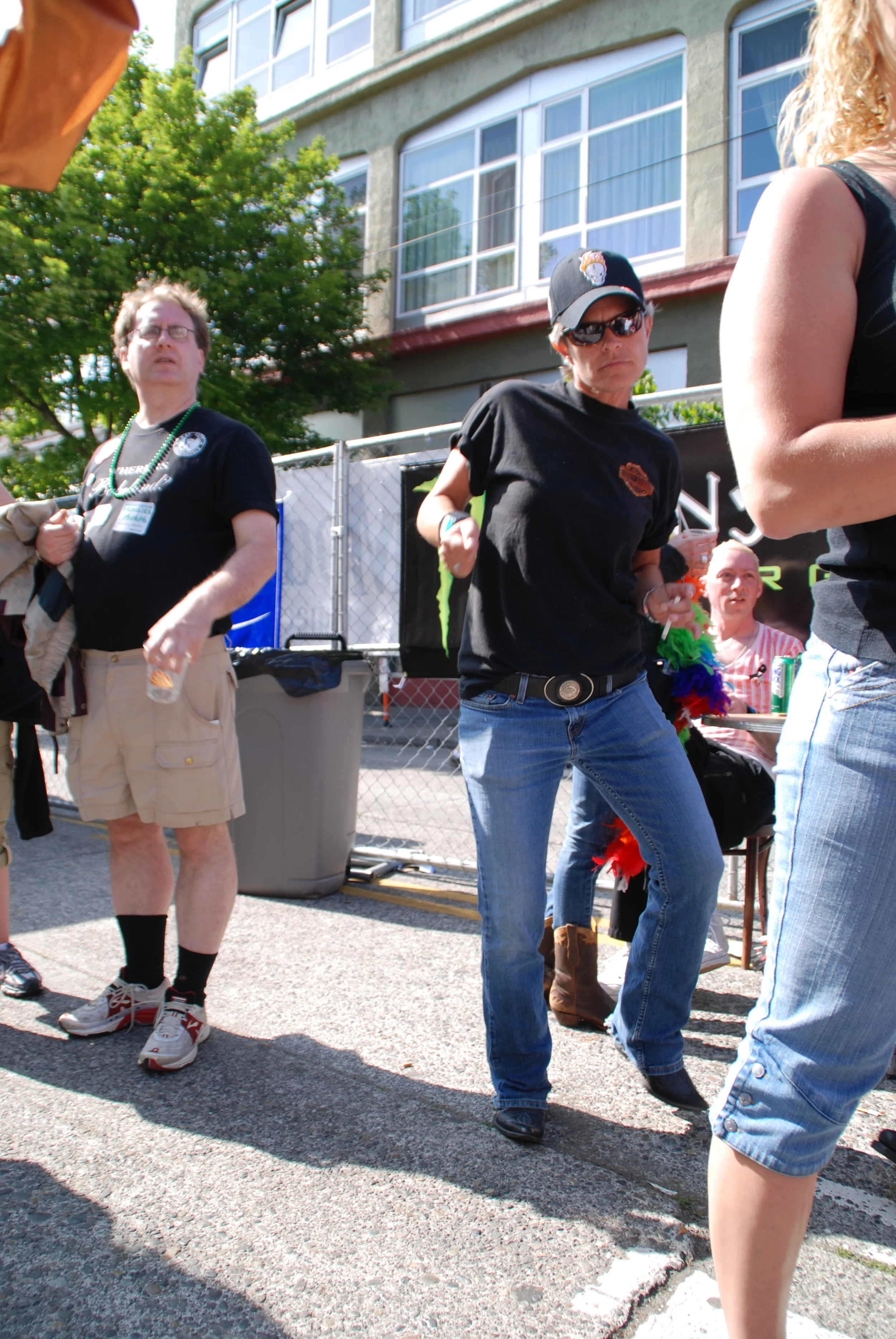
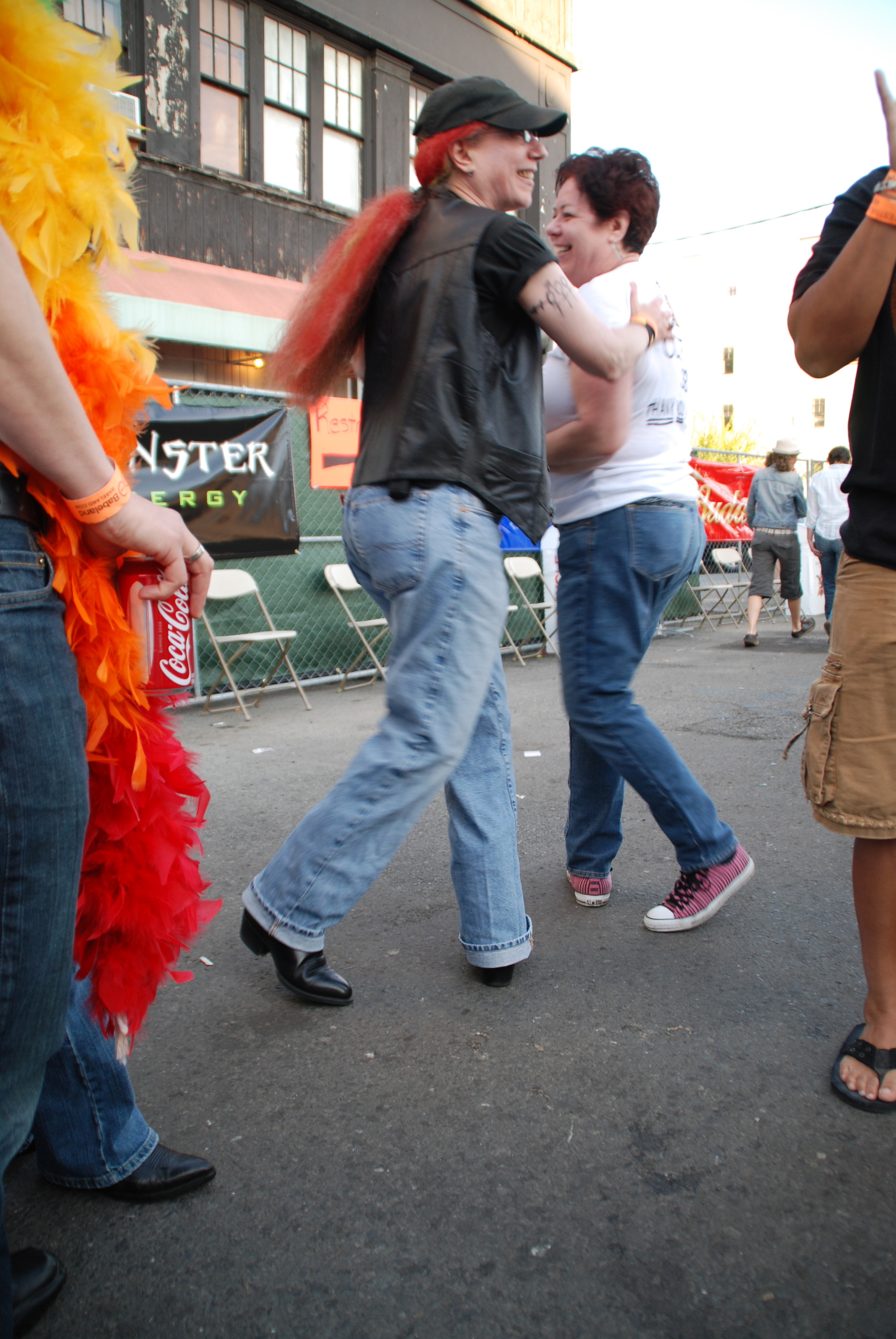
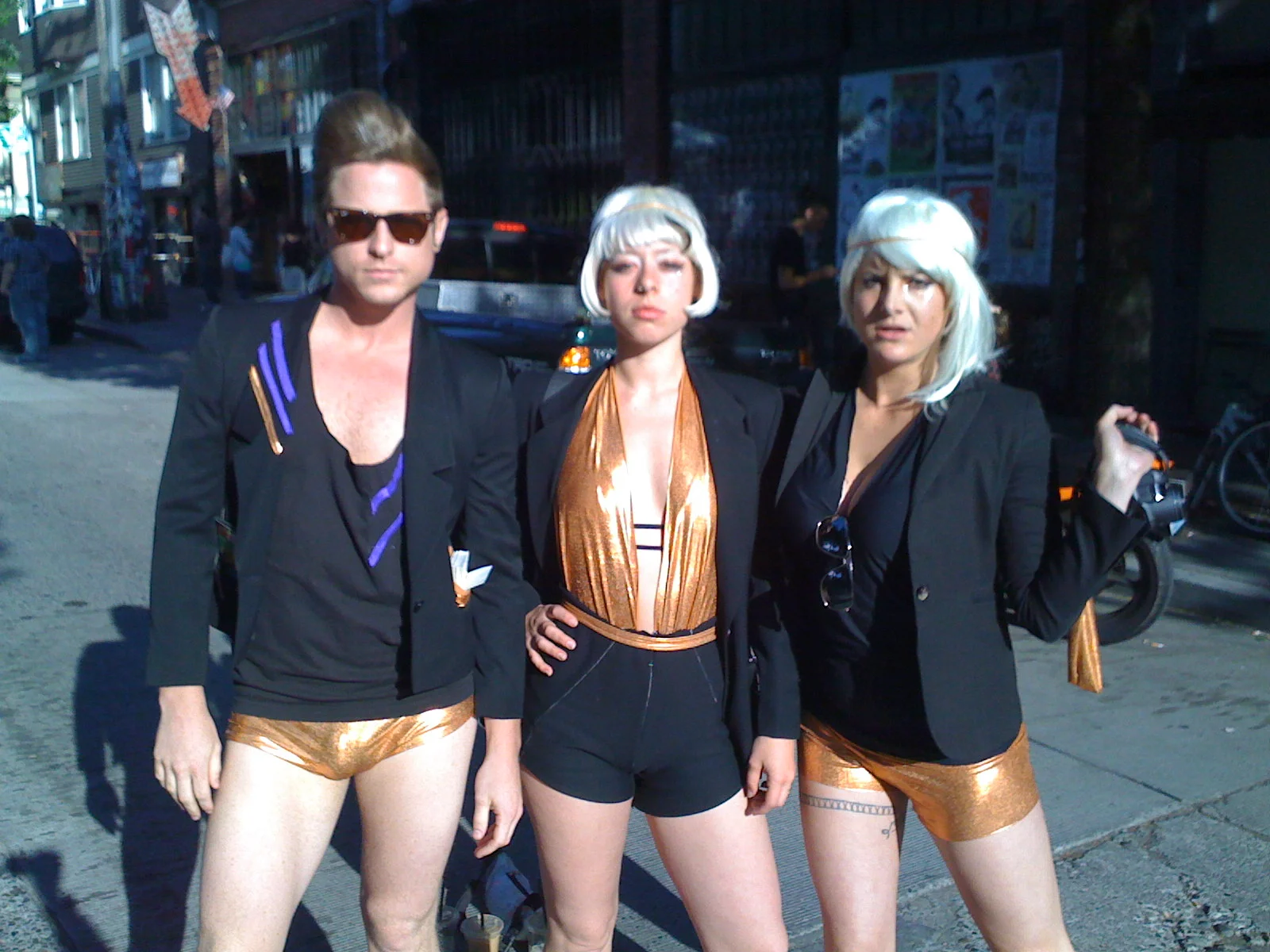
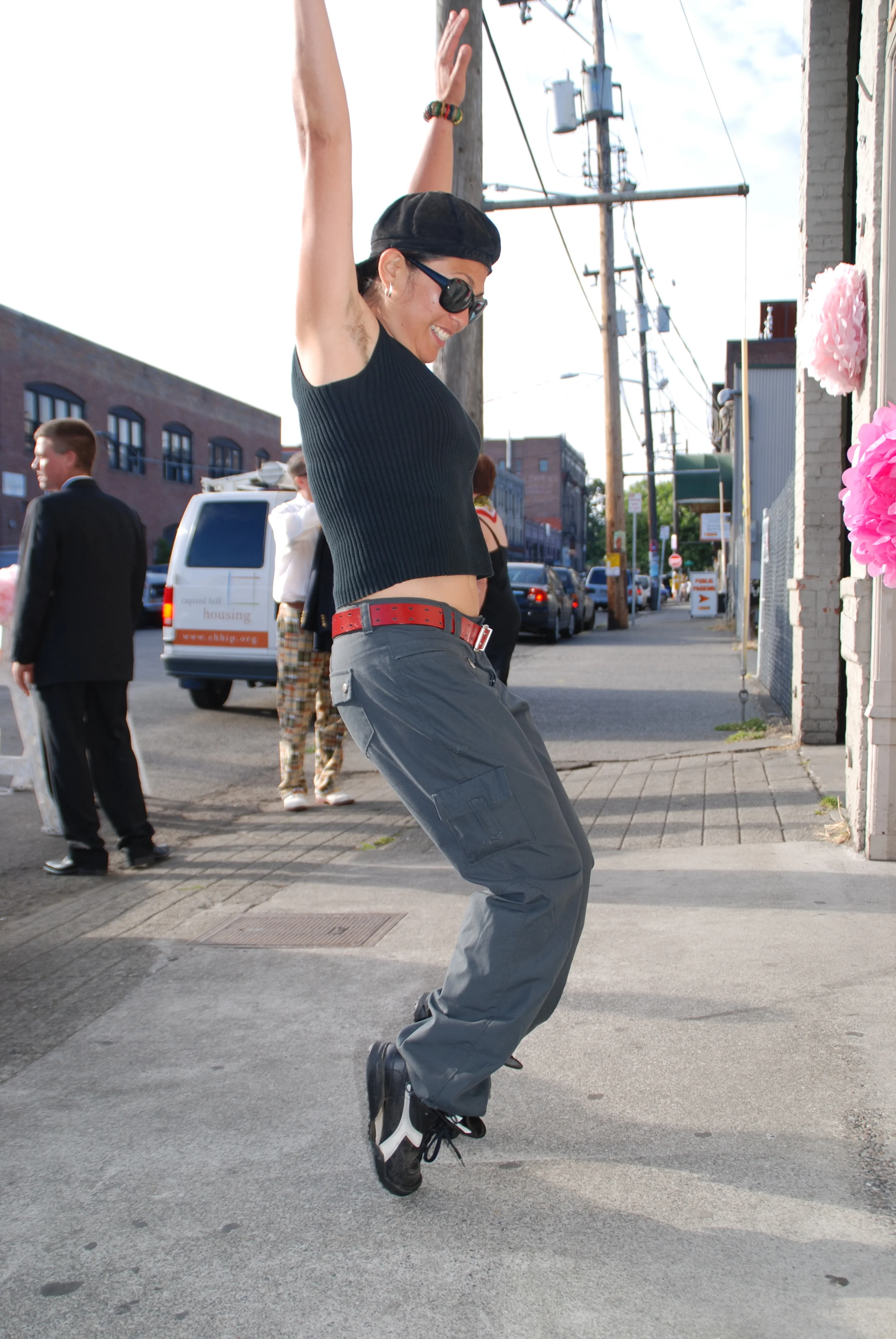
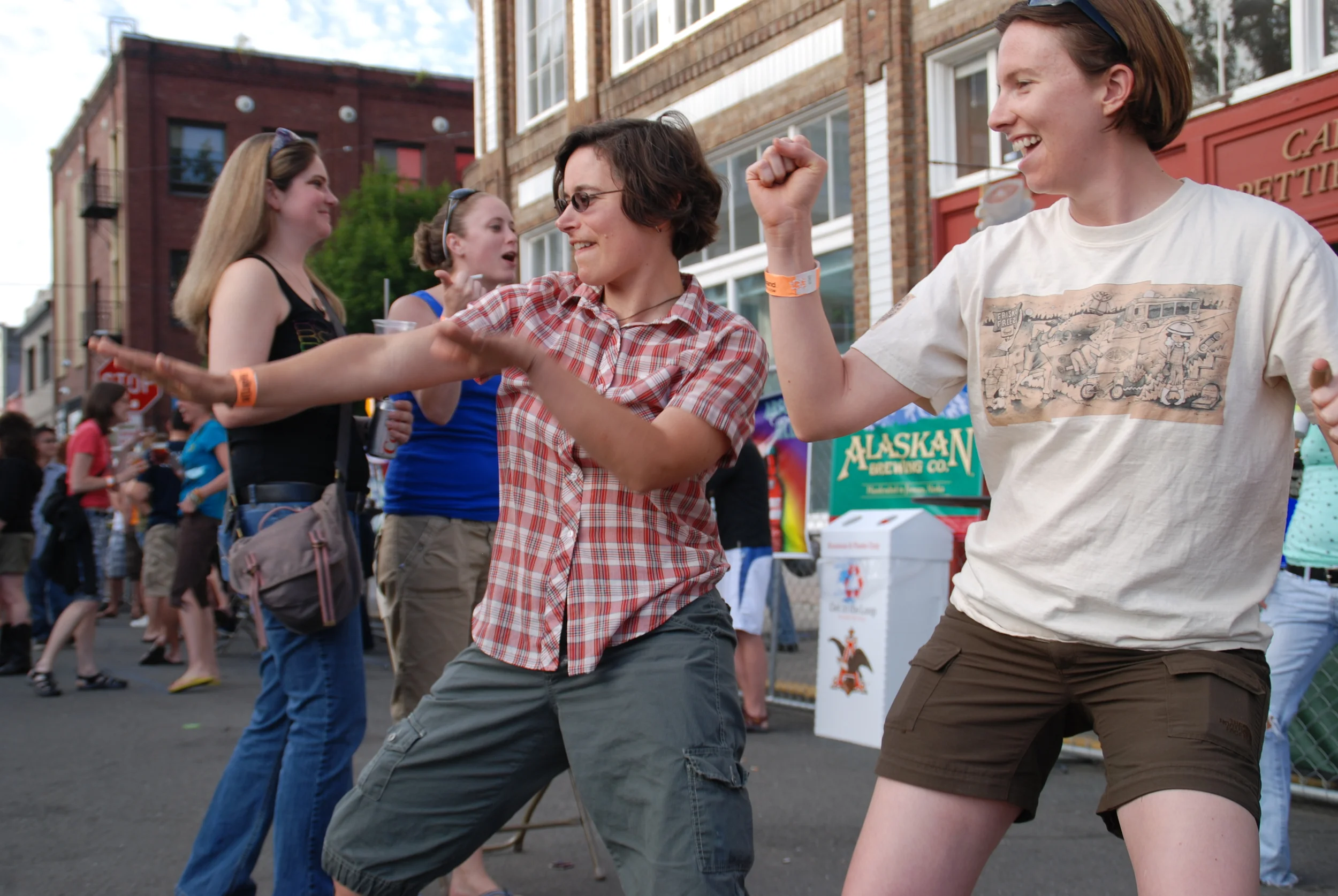
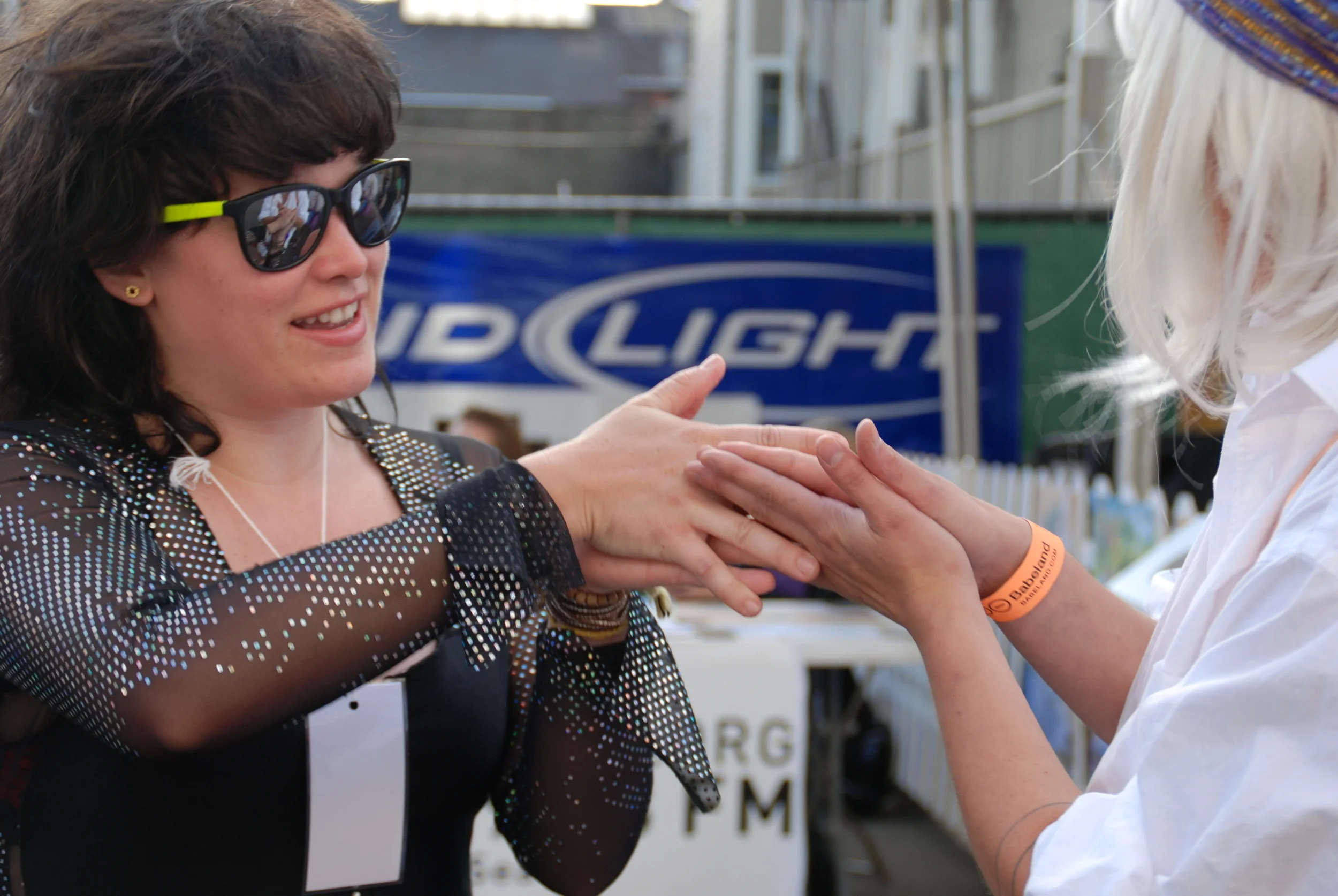
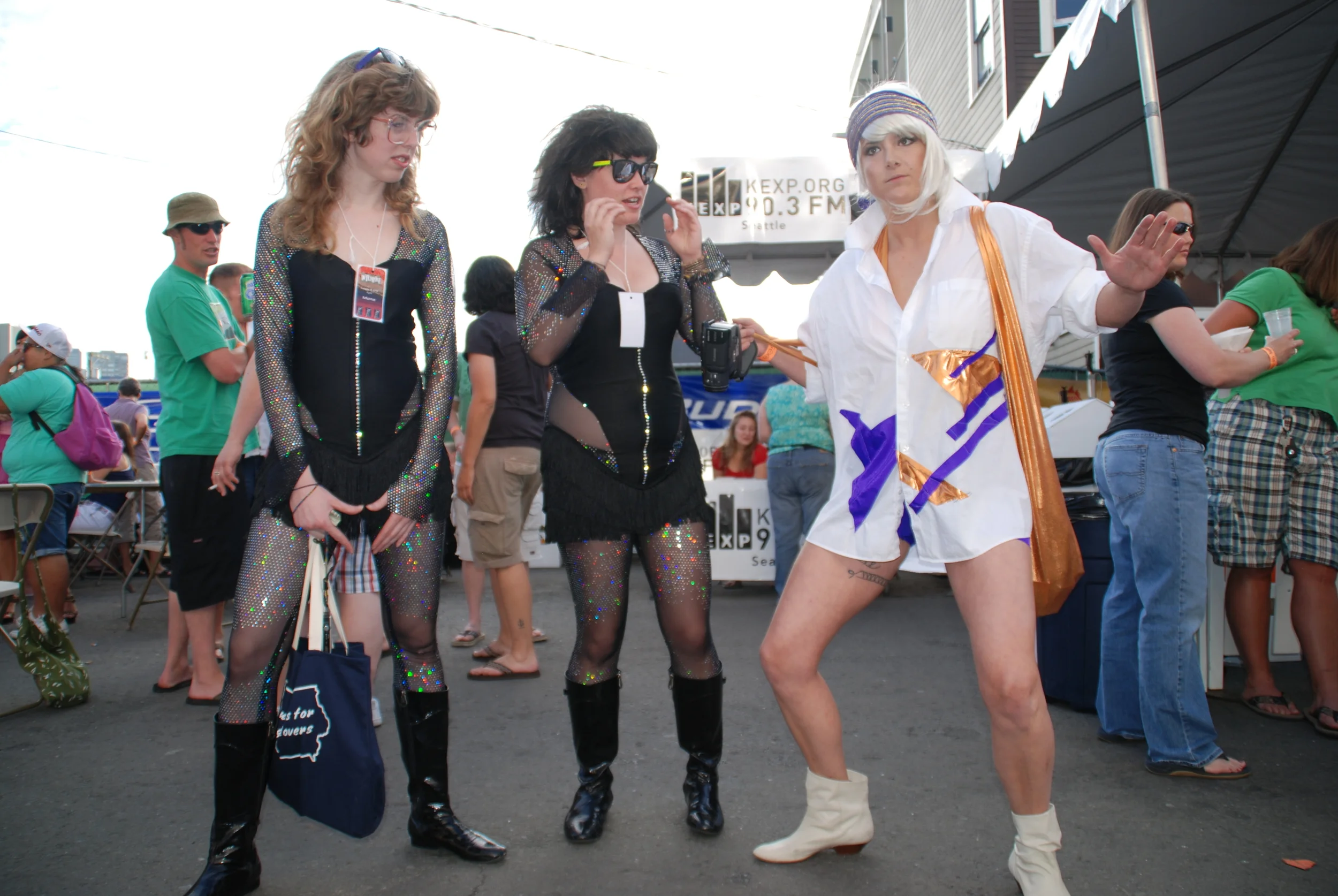
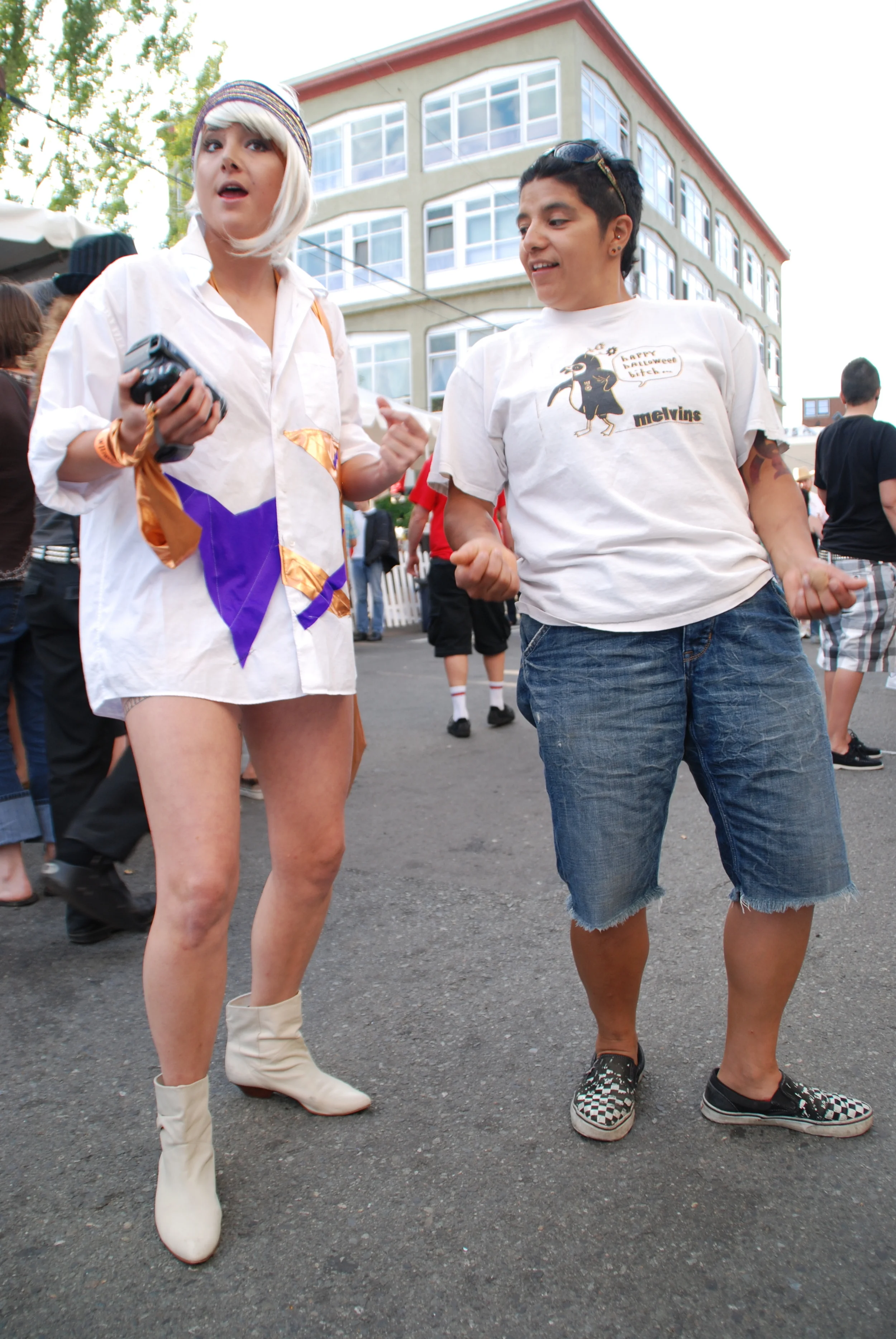
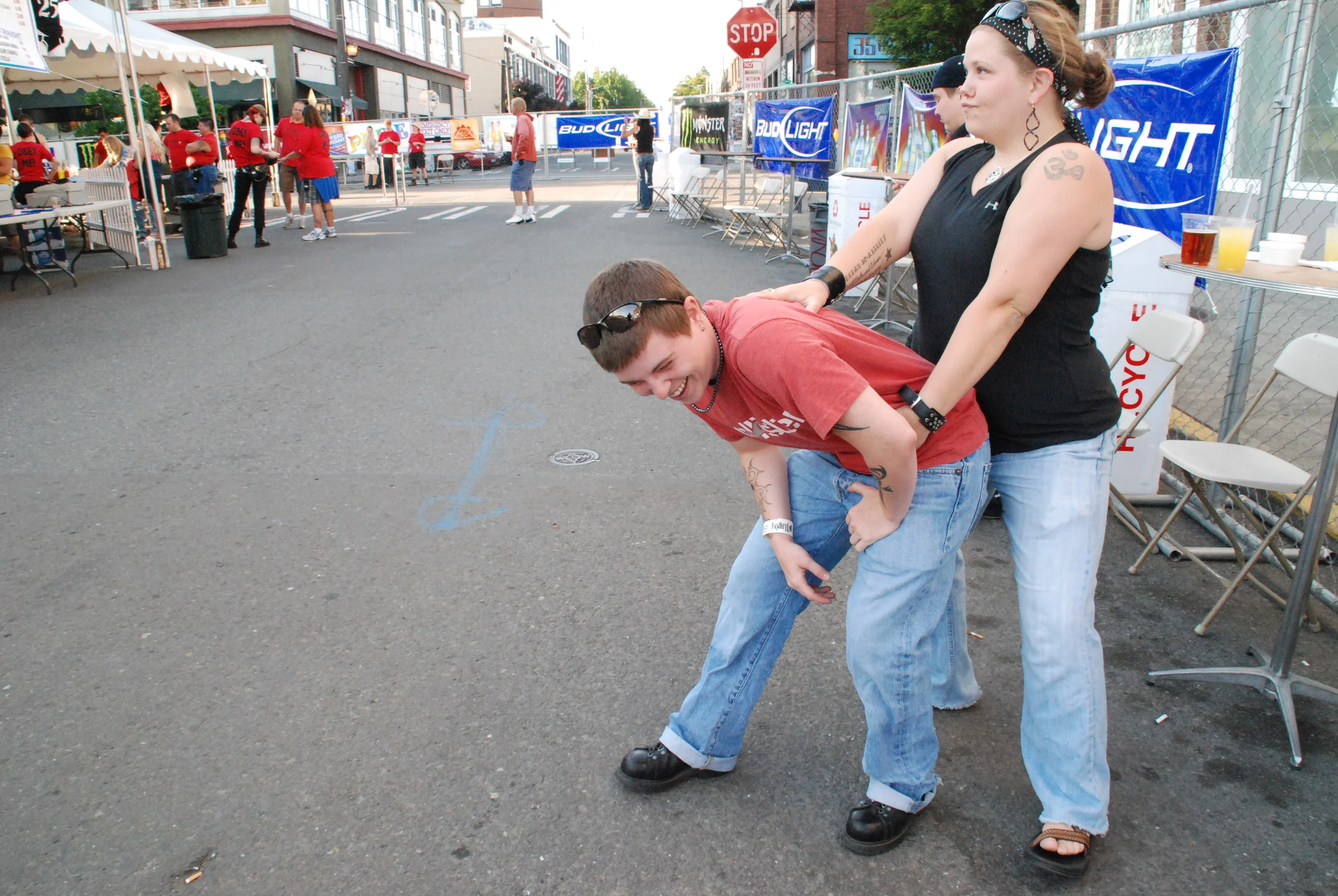
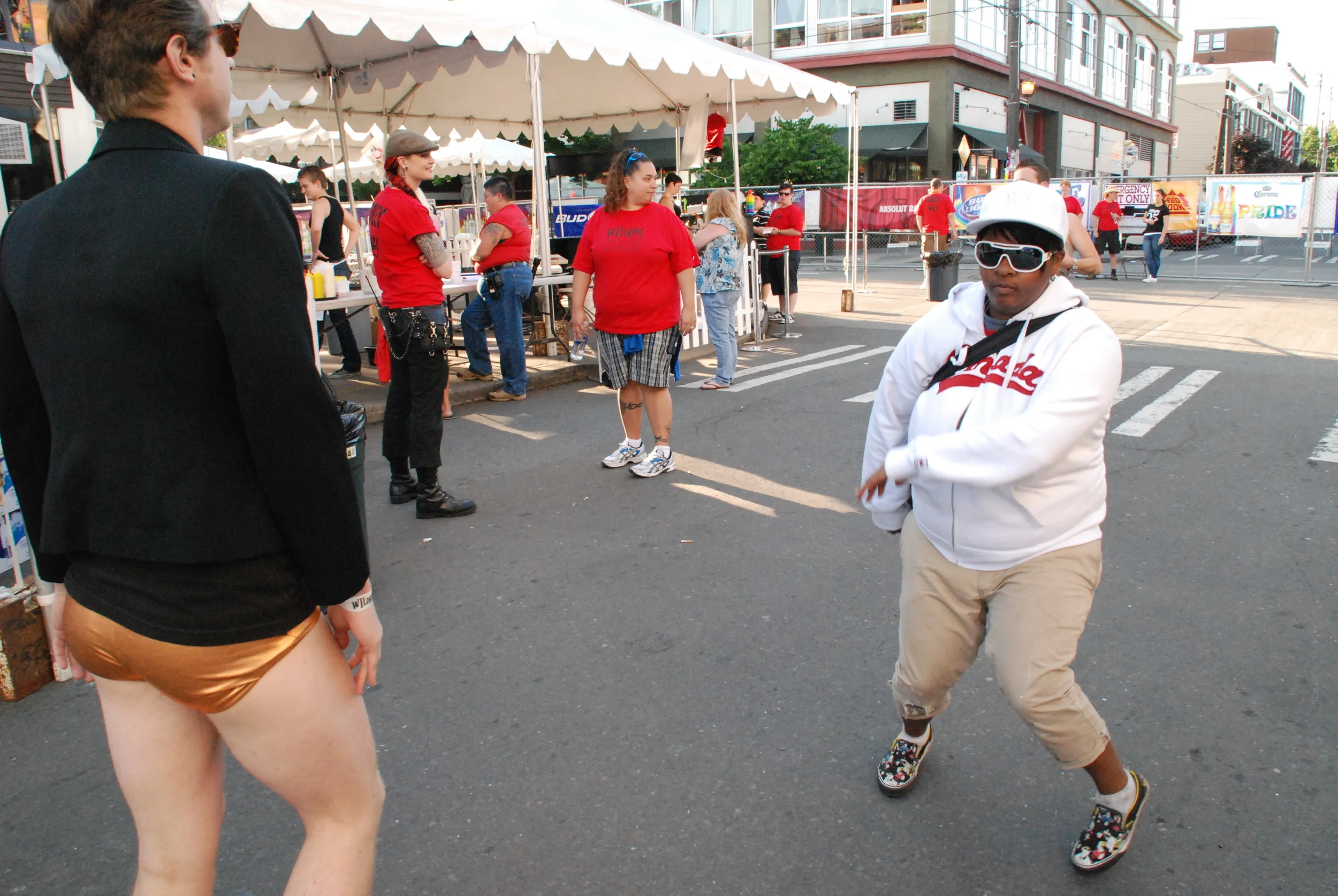
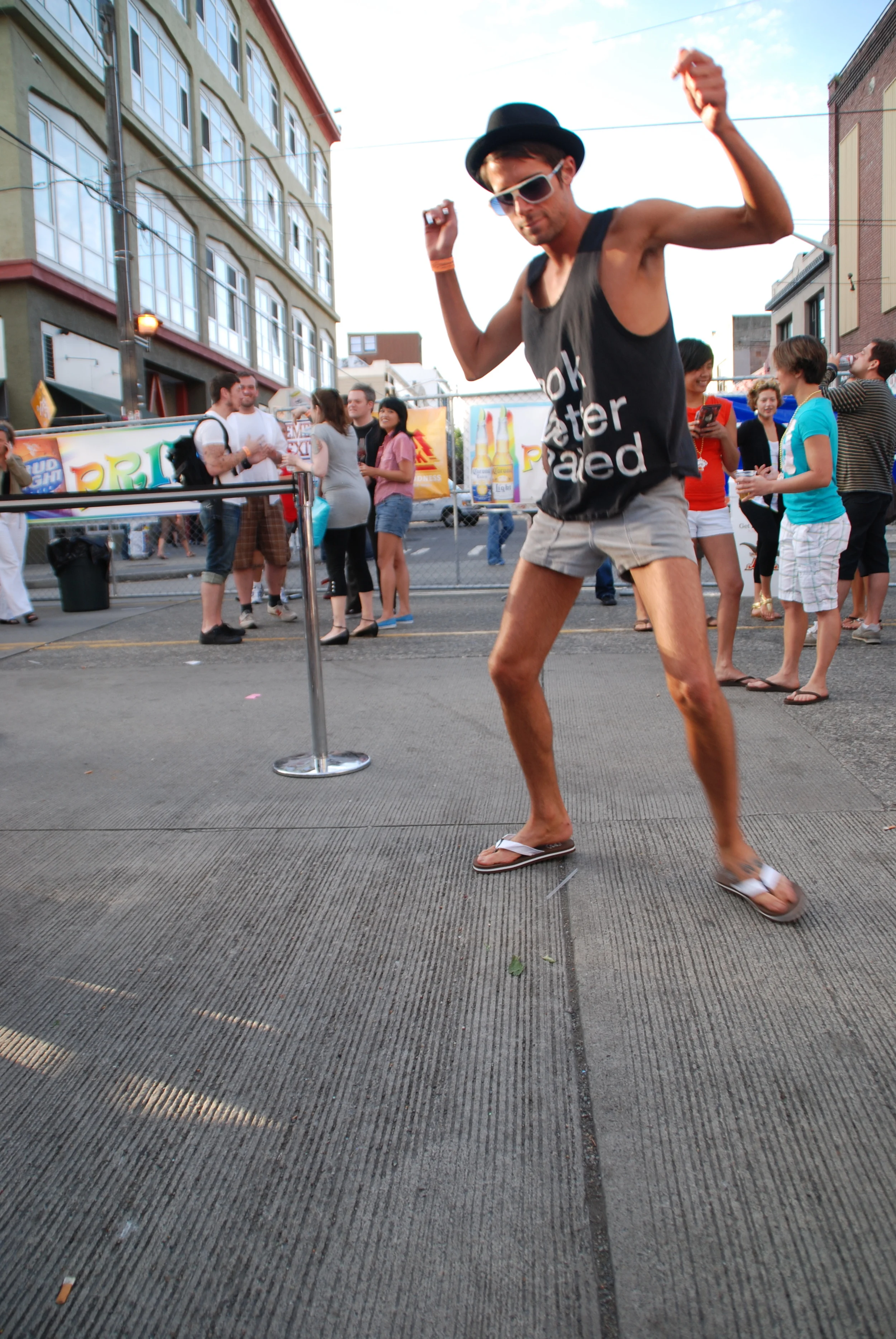
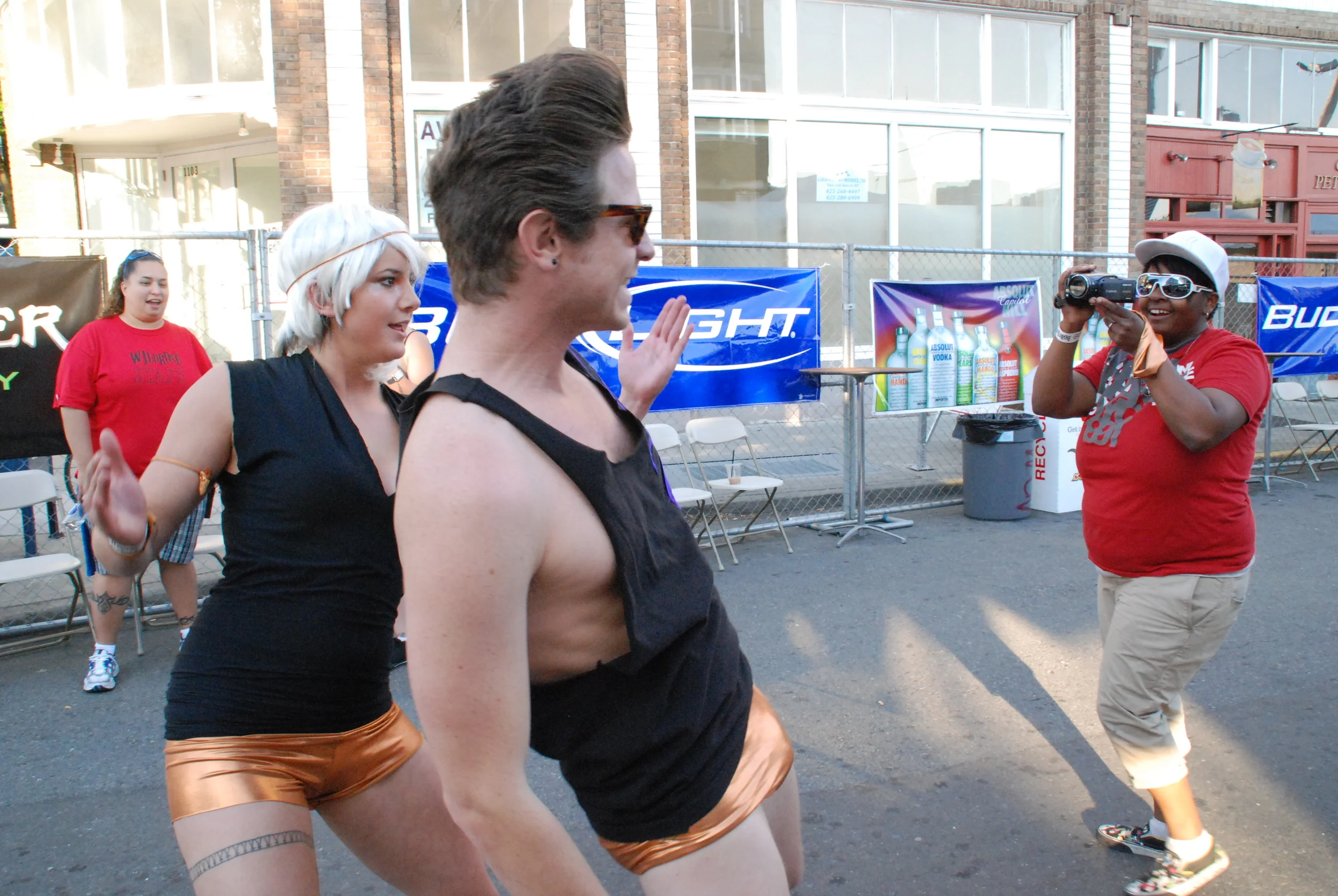
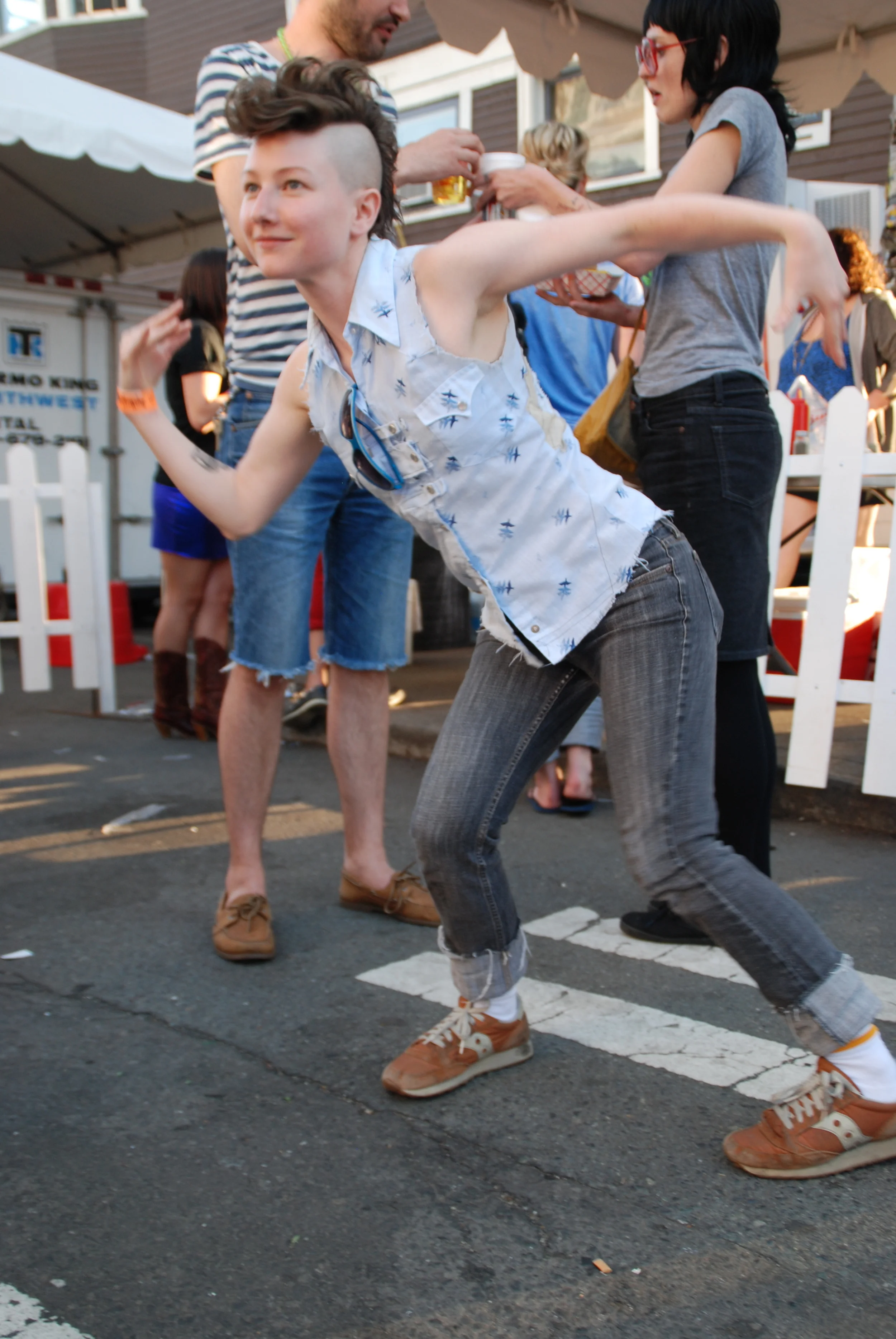
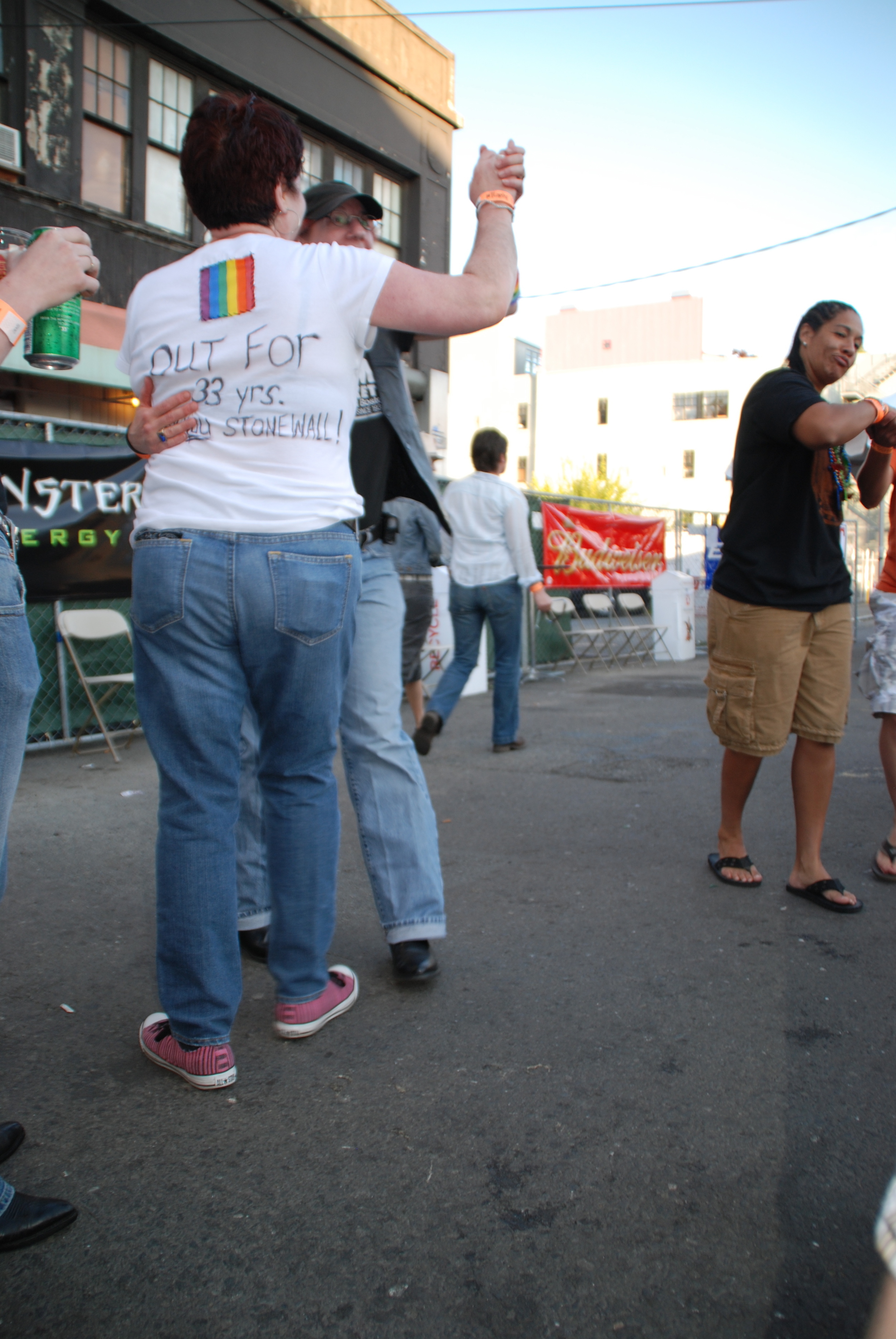
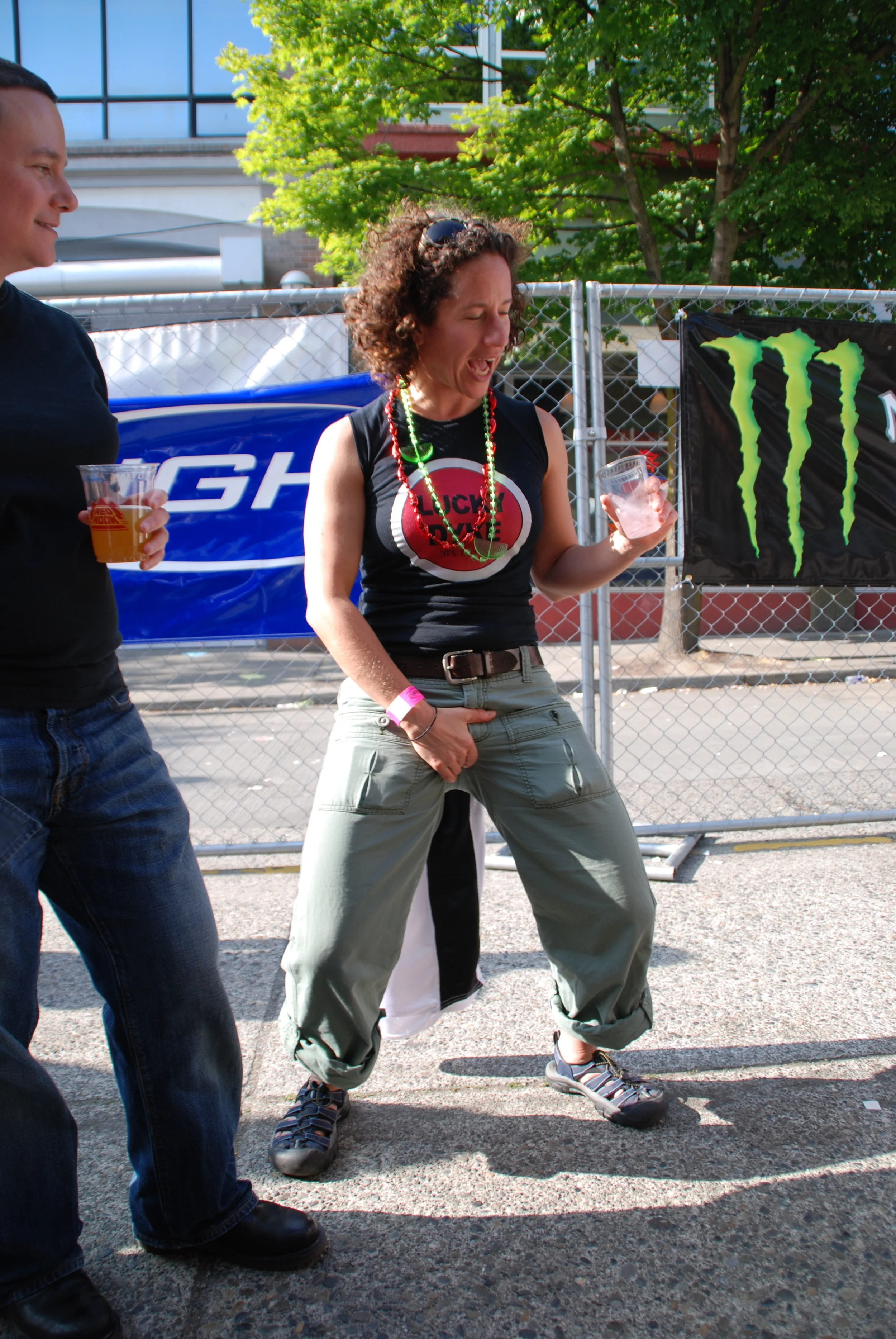
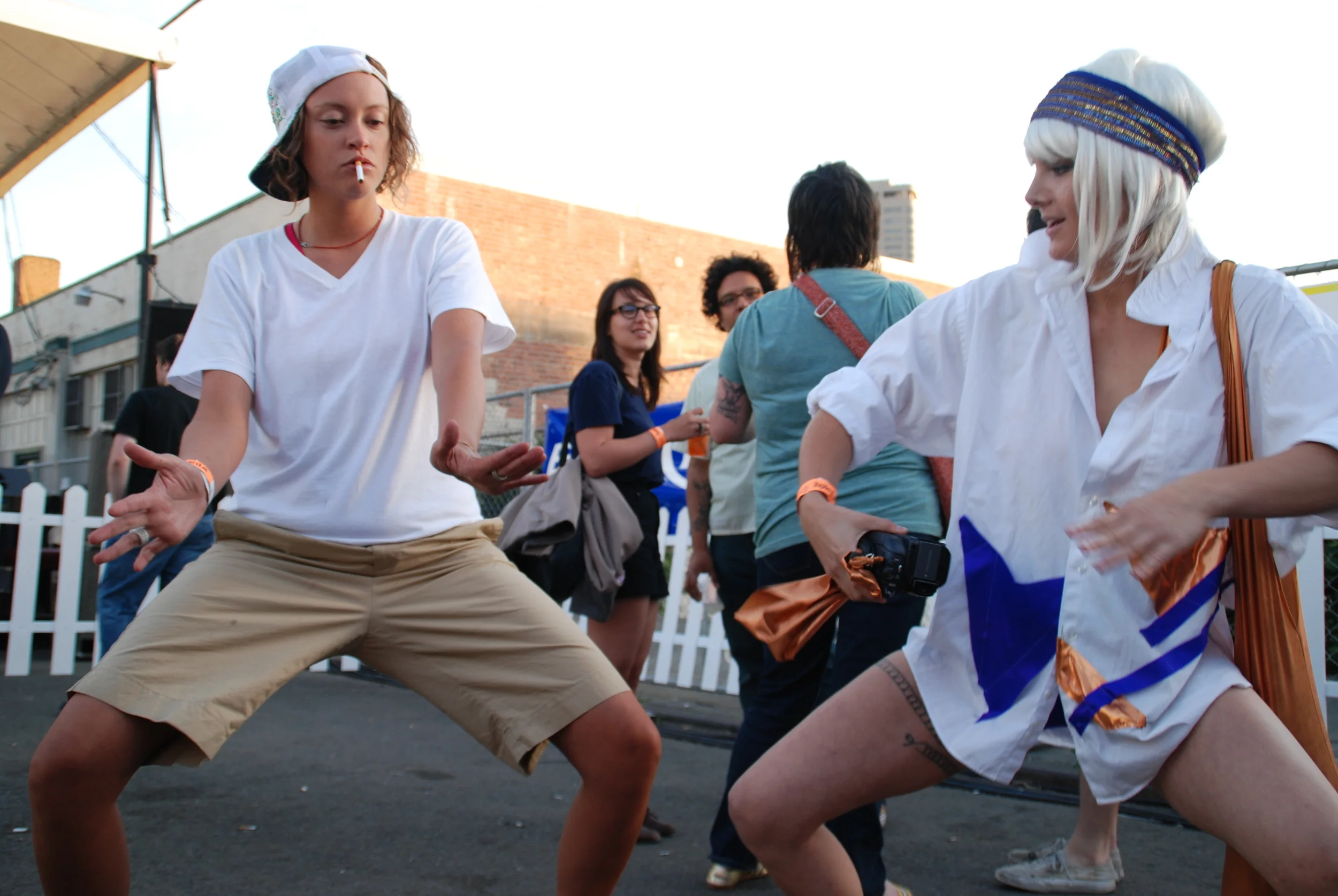
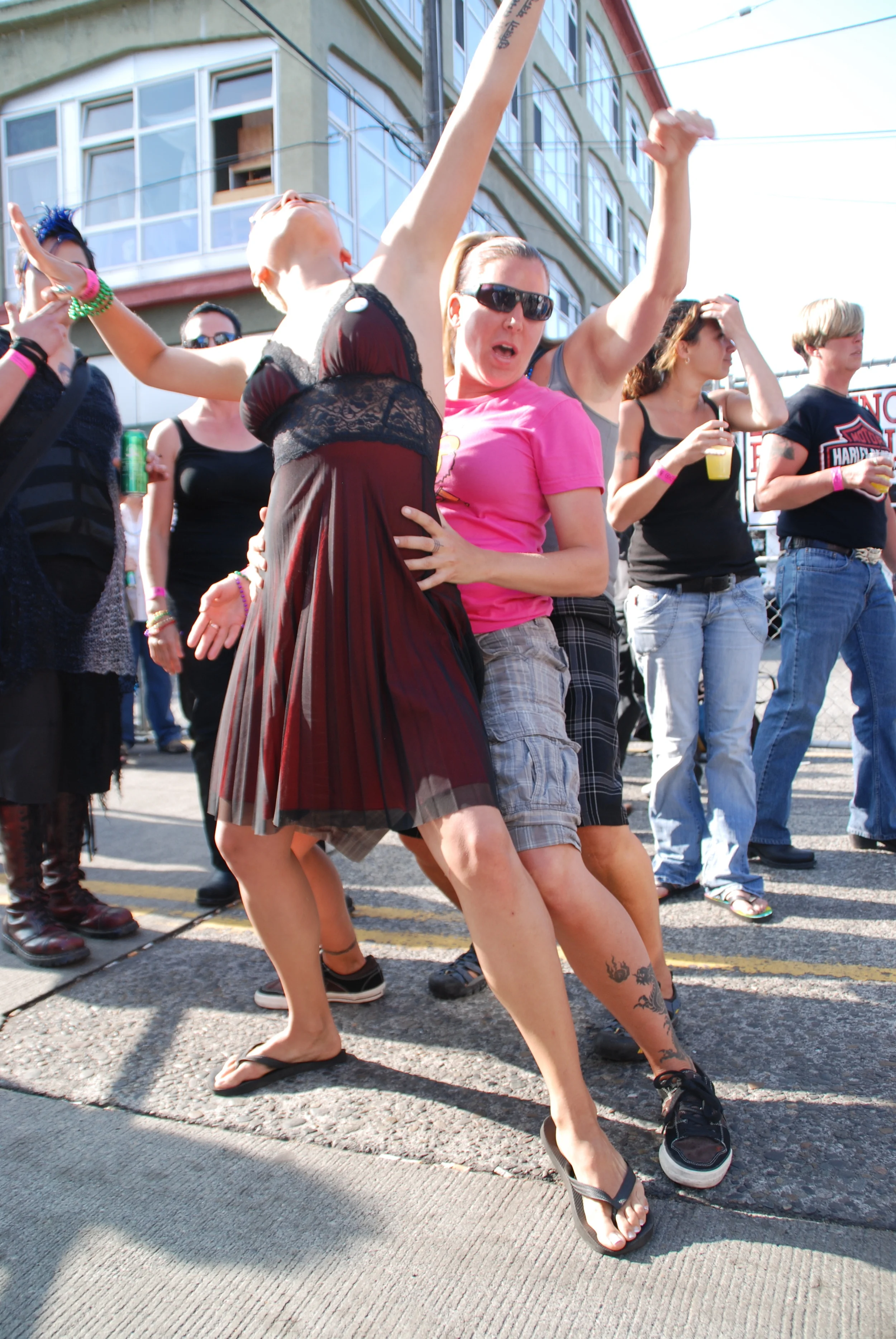
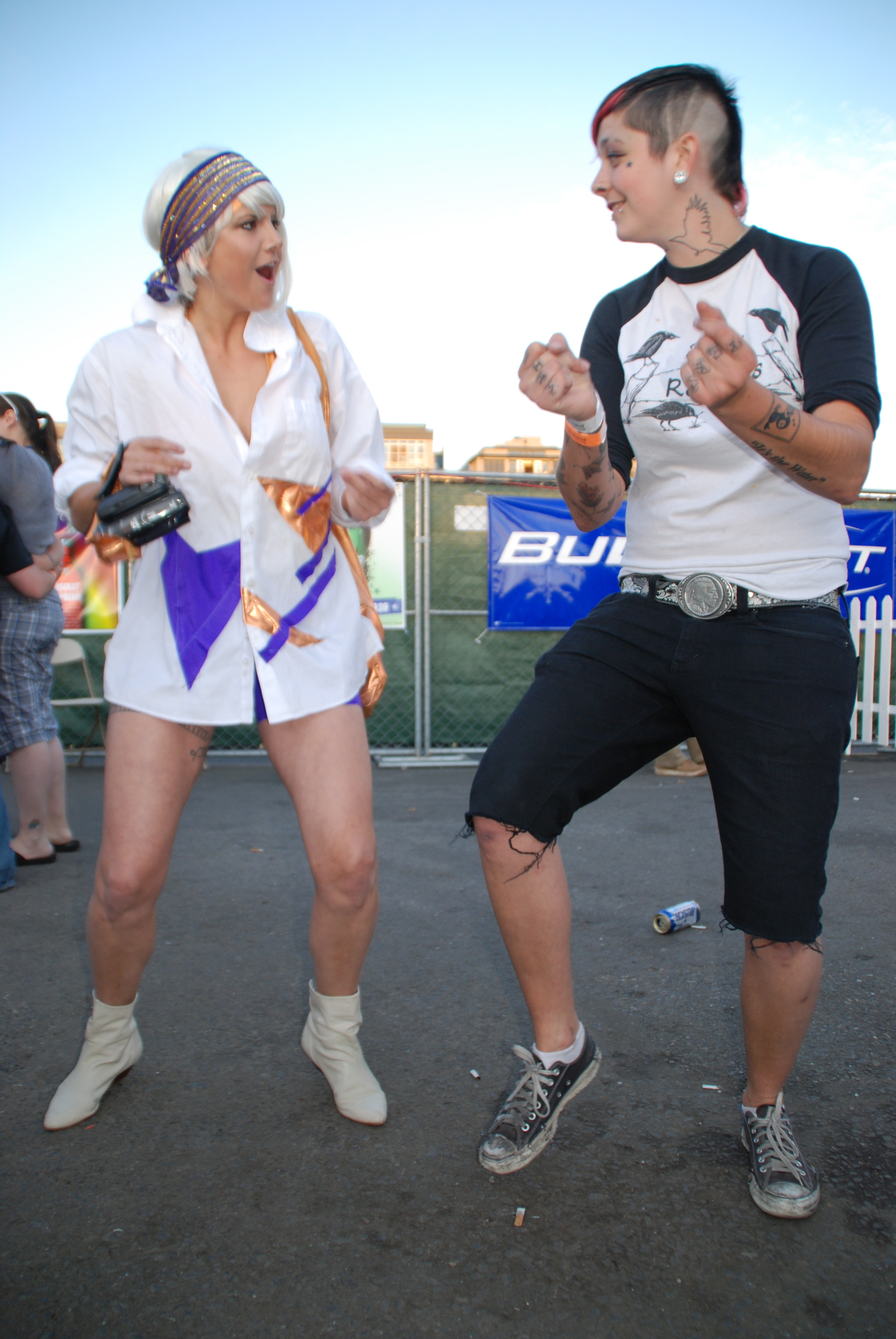
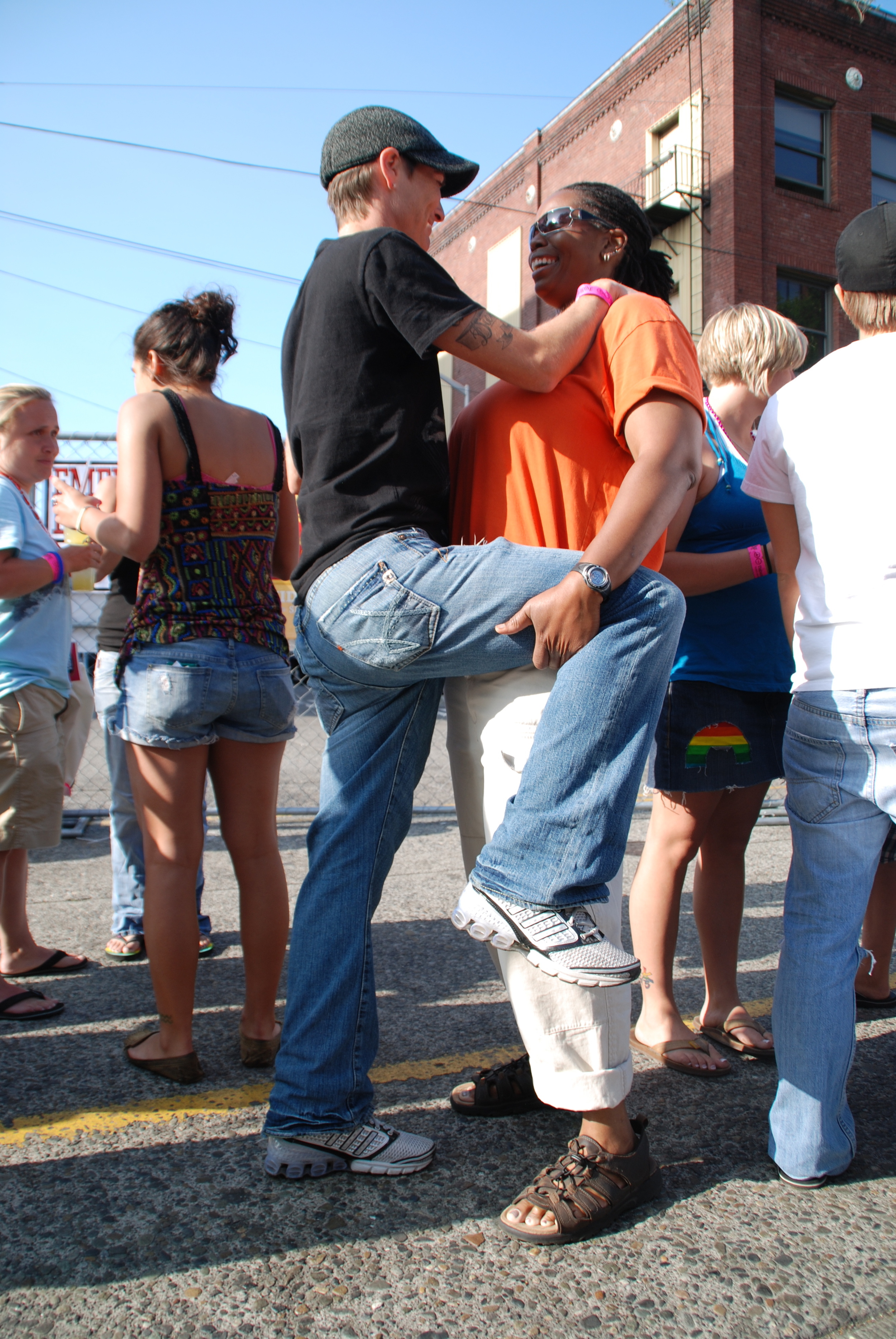
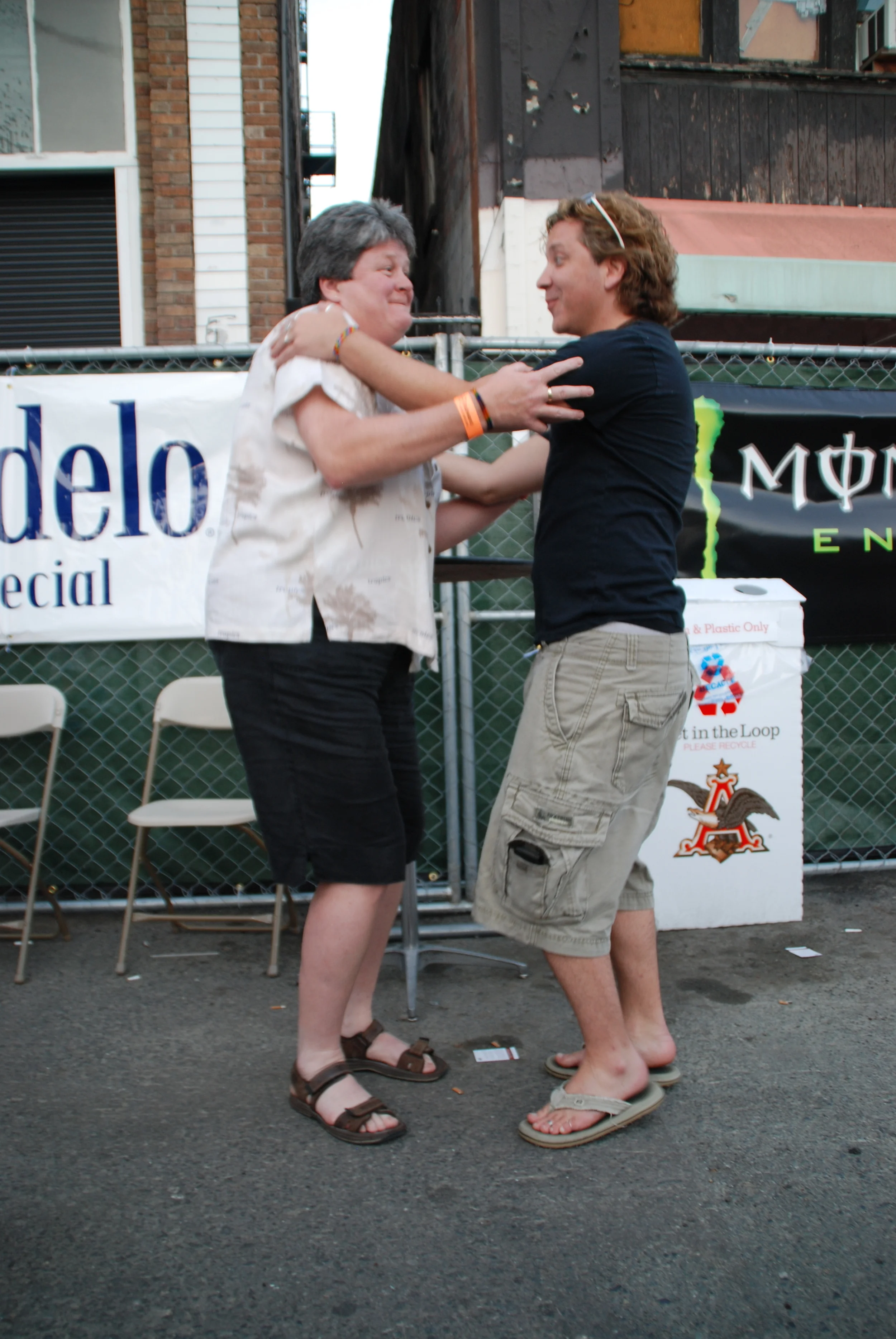
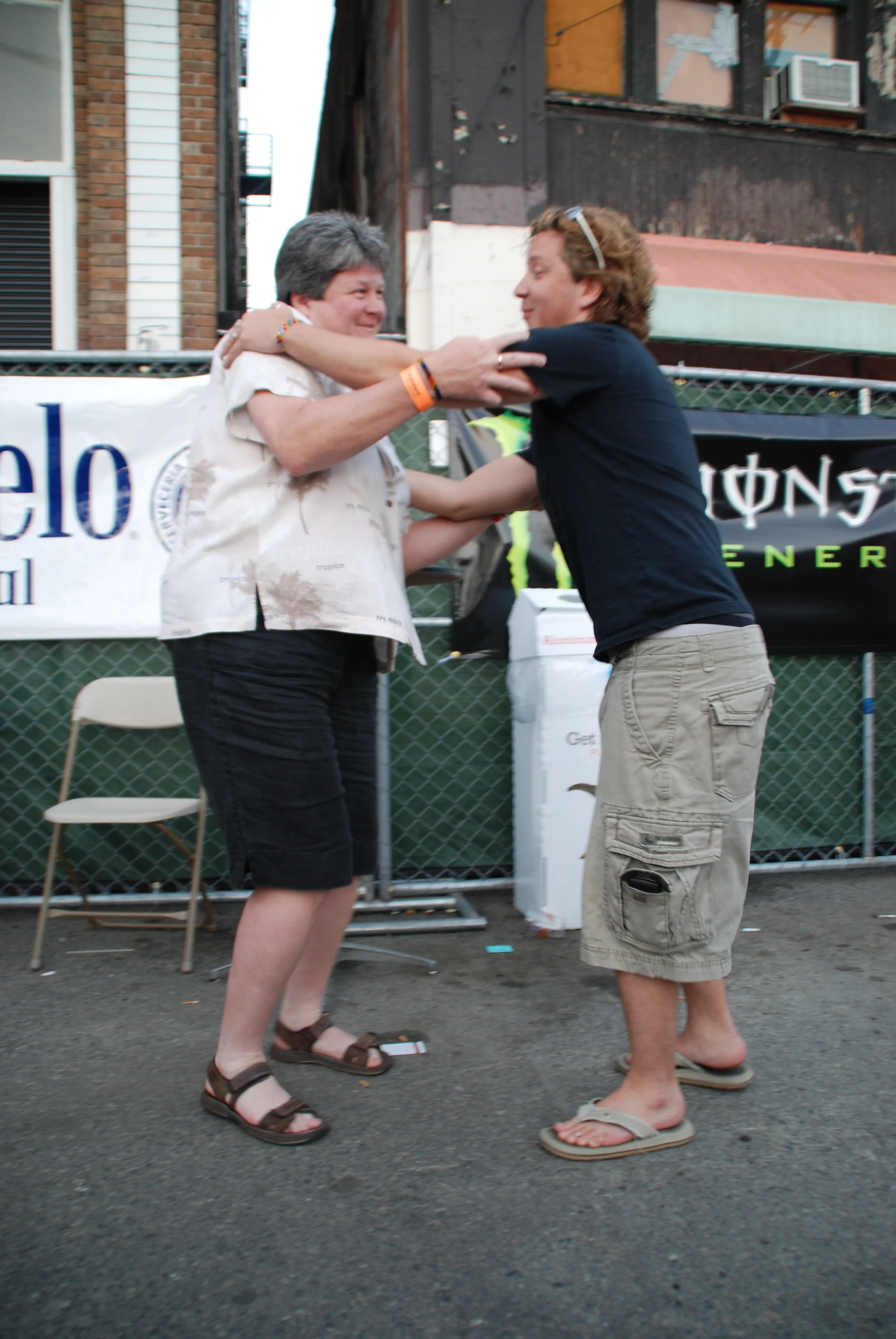
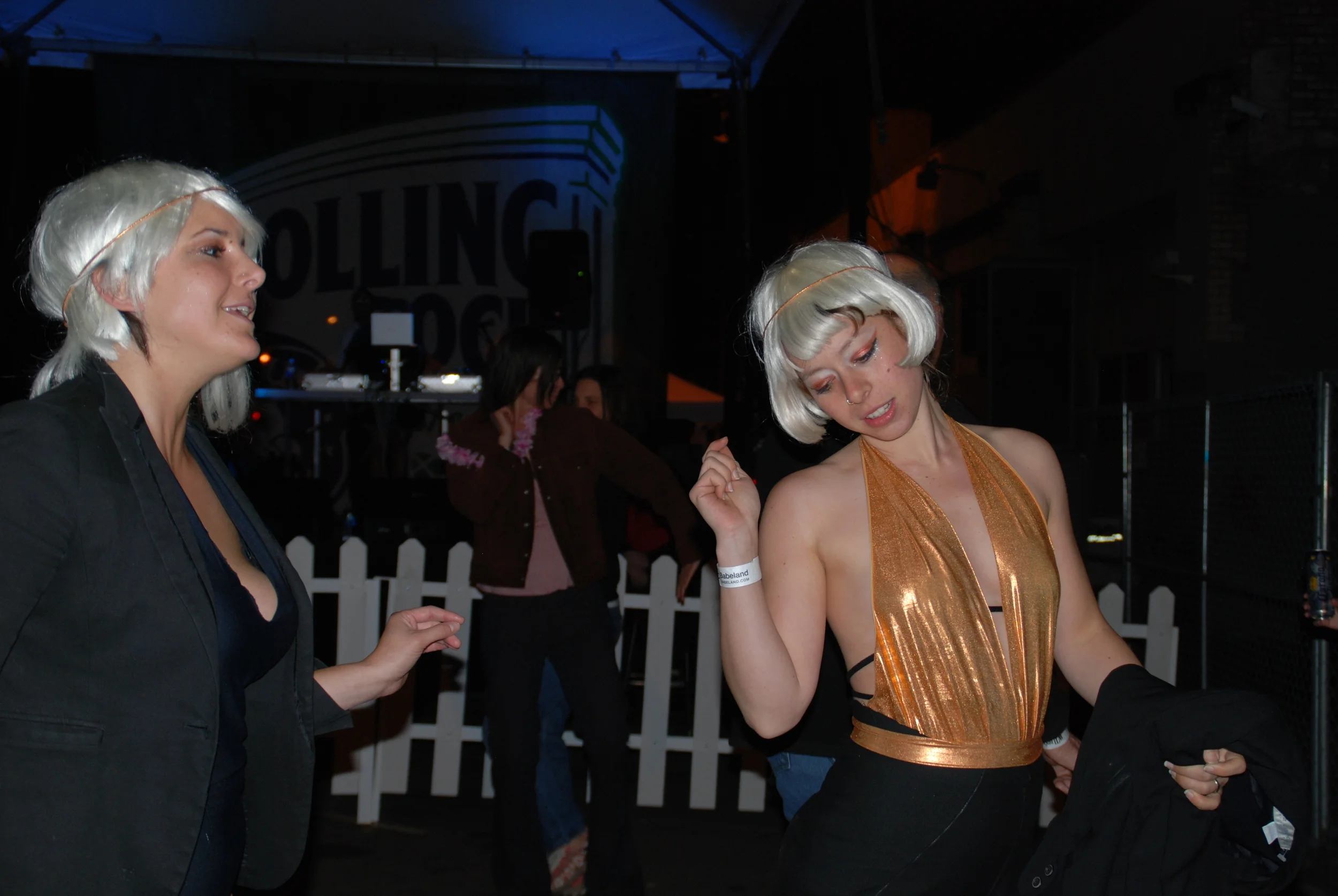
Lez Dance is a participatory performance and research project developed at Seattle Pride in collaboration with artist Perl Egendorf. Visitors were invited into conversation with a simple question: “What is a lesbian dance?” They were asked to demonstrate one, teach one, invent one, argue with the question, or refuse it altogether.
The project began with a deliberately impossible premise. Rather than arriving at a definition, the conversations and performances revealed how identity is lived through bodies, memory, humor, desire, and social encounter in ways that continually exceed fixed categories. Dance became a shared language through which differences could be negotiated without requiring resolution, allowing movement itself to complicate the labels that first brought people together.
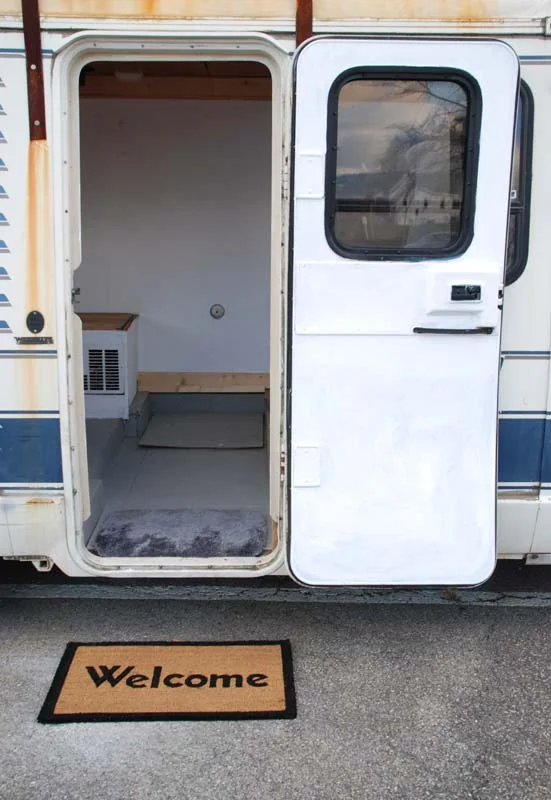
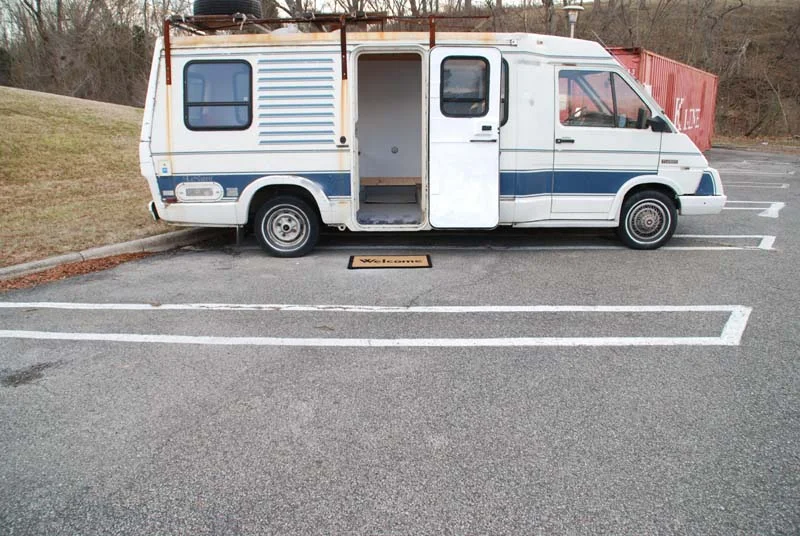
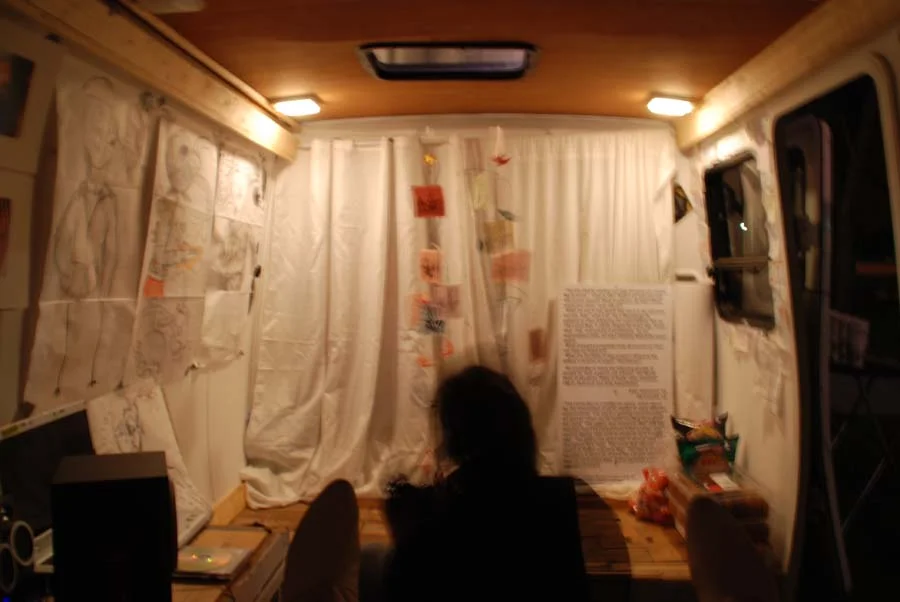
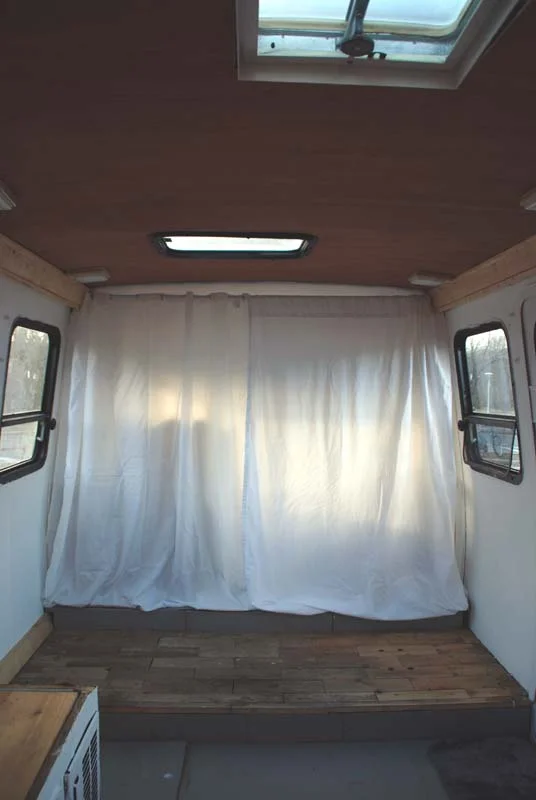
The Lunch Box was a mobile gallery and community space housed within a Winnebago and operated over six months at the Eleanor D. Wilson Museum at Hollins University. Functioning simultaneously as exhibition space, gathering place, and traveling platform, the project hosted installations, performances, screenings, and community events both inside and around the vehicle.
By relocating the gallery into an everyday, mobile structure, the project explored how context shapes encounters with art. Movement, accessibility, informality, and shared occupation became integral materials of the work, allowing exhibition-making itself to function as a social and spatial practice.